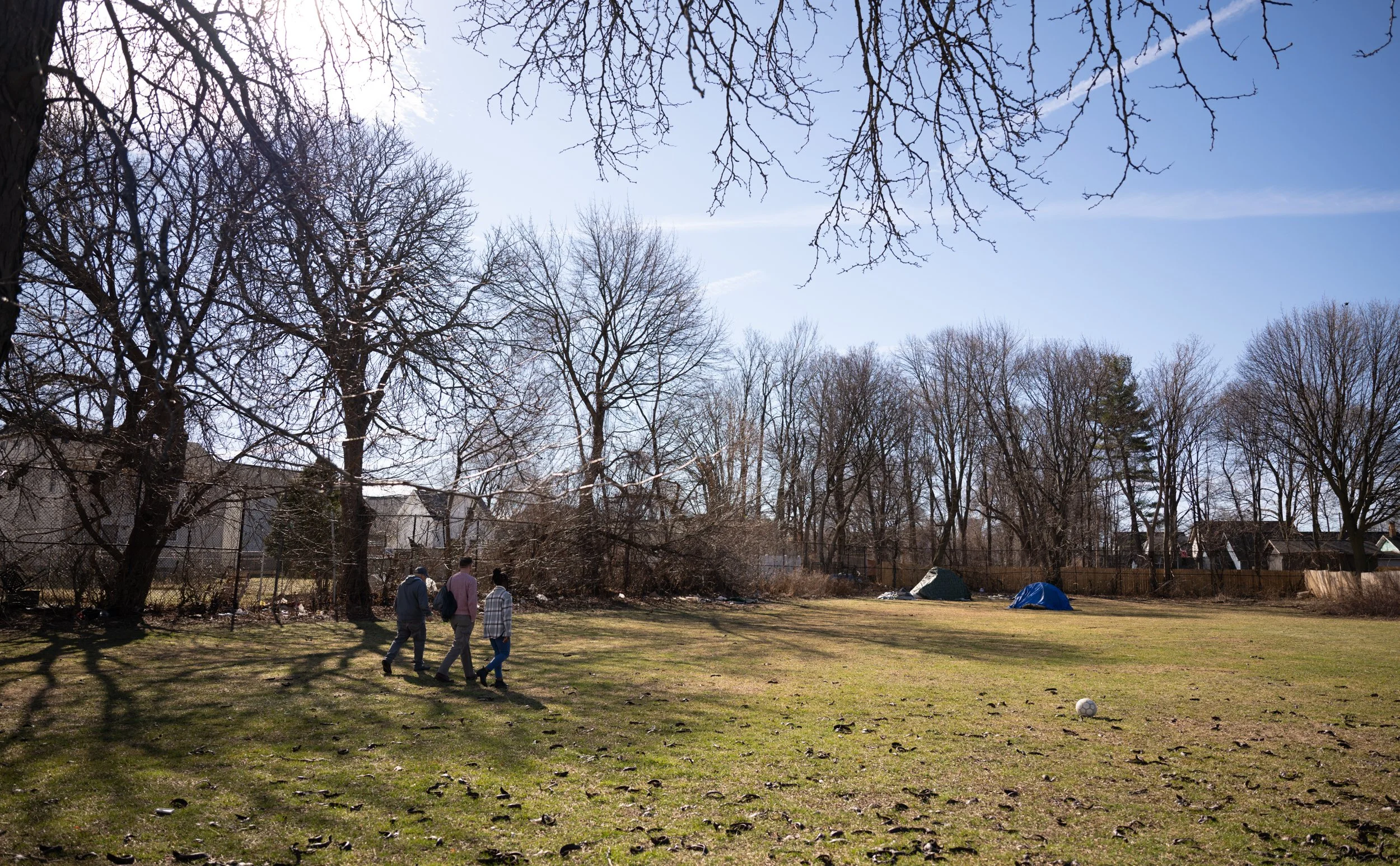
“No One Left Out in the Cold”
Images and Text by Maya Galindo
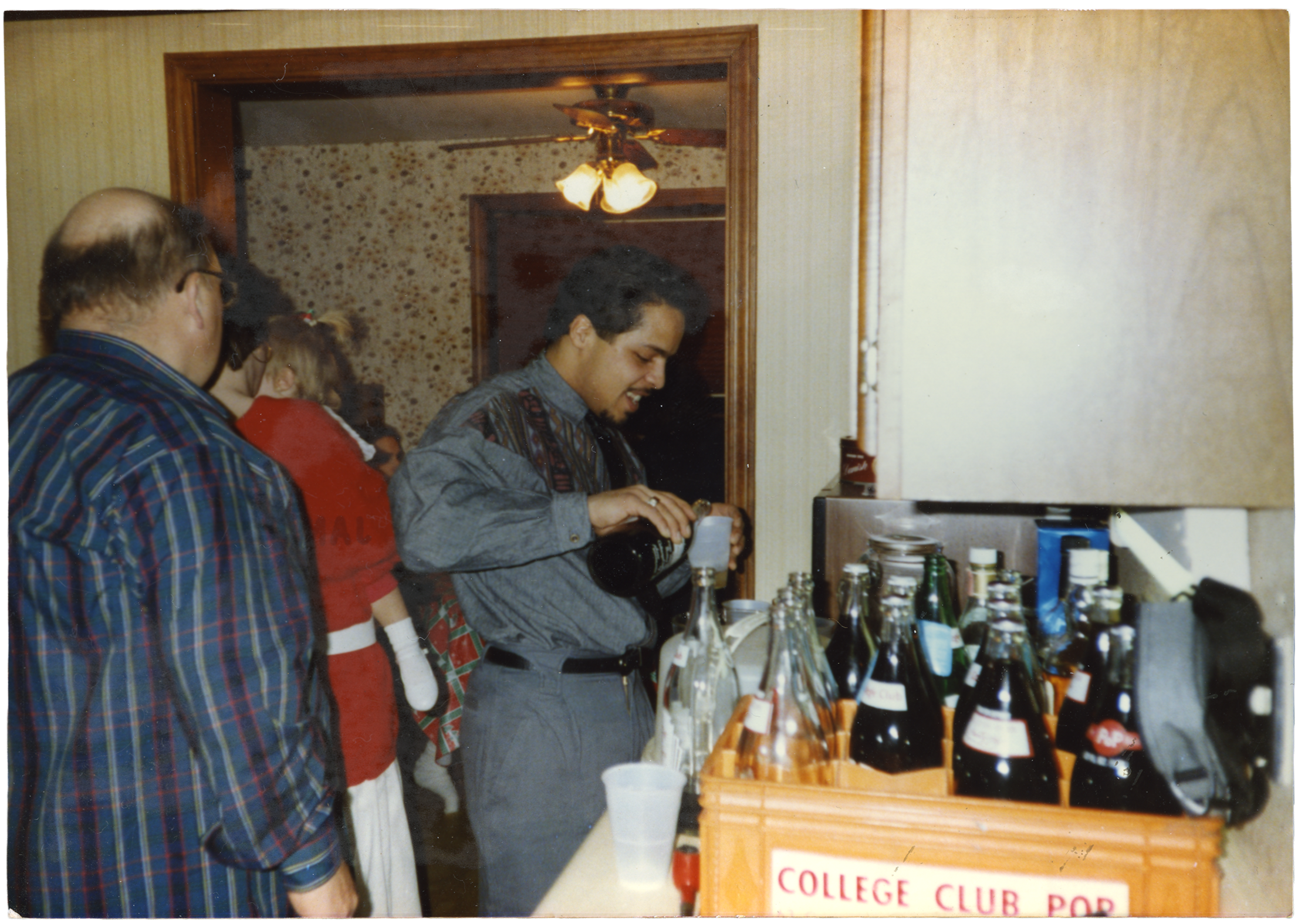
Stephen Rosa pours himself a drink at a party around January in 1992.
Stephen Rosa was born in Brooklyn and moved to Rochester, N.Y. at the age of three after his mother fled from domestic violence at the hands of his biological father. Her decision to move to Rochester came down to two things: how far she could get away on her budget, and family ties in the area. However, the price tag on that familial support grew to be a source of deep regret.
When Rosa was 14, he was given his first alcoholic drink by his uncle. “You take this crazy kid that will do anything at the drop of a hat, and he was a fighter, and you add alcohol,” says Rosa. “You add other dry goods. You know it, I was destined for trouble.”
“You know, I didn't have the courage, really, to be myself or to let anybody else in as well,” recalls Rosa. “I knew that alcohol changed you, and I wanted that change… I felt what I described as the magic. Where all of a sudden, all that noise and worrying about what people thought about me and how different I was. It was gone.”
Rosa went to reform school for fighting when he was just 14-years-old. At 16, he went to jail for the first time. At 18, Rosa tried cocaine for the first time at a concert after it was offered to him by his sister, beginning a downward spiral that would engulf the next 20 years of his life. During that time, he spent 15 years in and out of prison. Even on the spans of time on the outside, though, he still suffered: he struggled with active addiction, married twice, had three children, spent time unhoused on the streets of Rochester, and was hospitalized after a suicide attempt. “I never planned on this, you know, I mean, and it wasn’t like, a freedom. It was more of a burden... I felt like I had no other kind of like, choice, no other recourse.”
Rosa recalls a conversation with his parole officer when he asked her for help, she said: “Stephen, you might as well just go finish your time. You're never, ever going to change. Every time you come out, we have bets on how fast you're going to go back in”
“I felt it in my soul” said Rosa, “and I didn't know it then, but I know it now… what she did, was diagnose me as hopeless.”
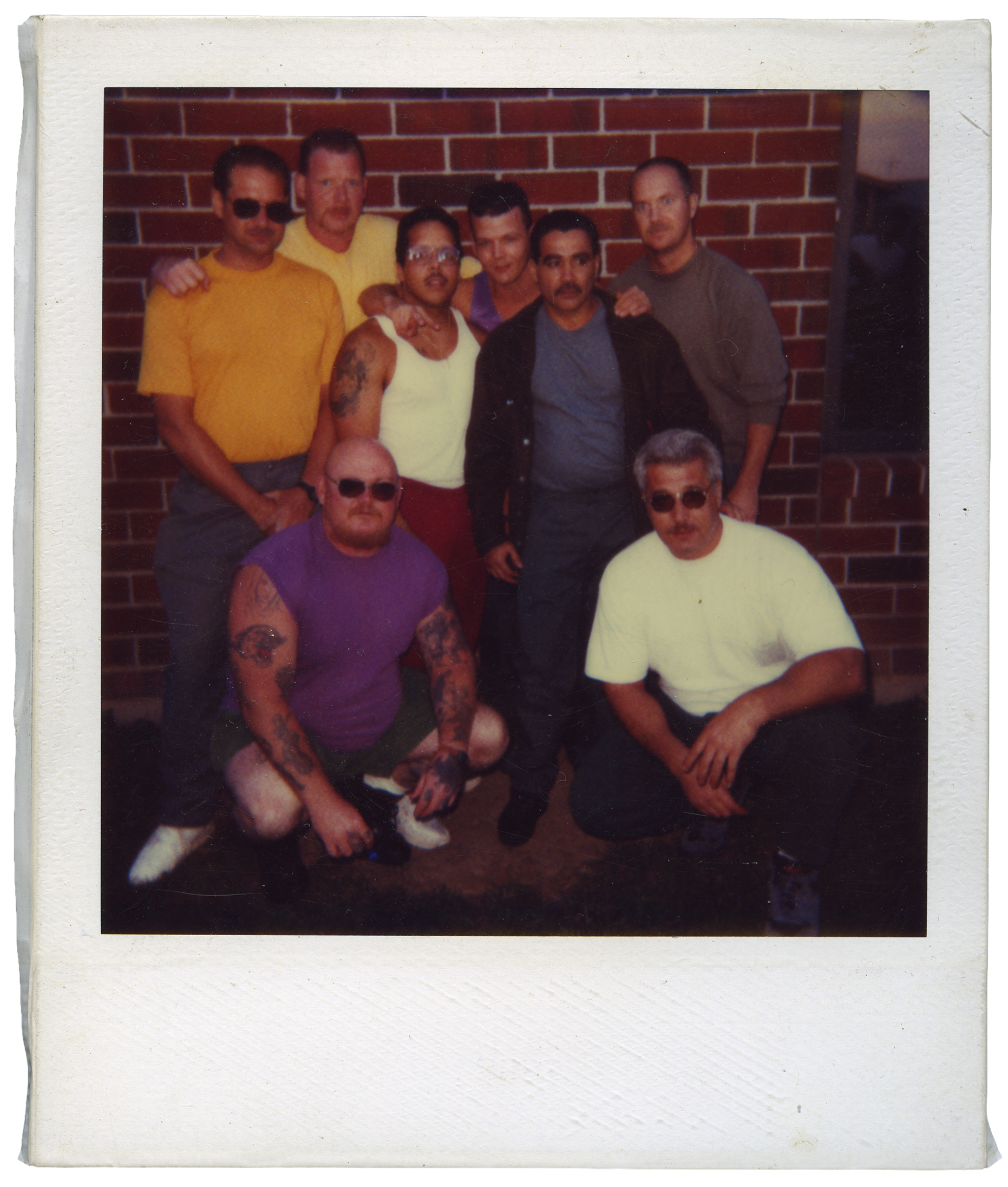
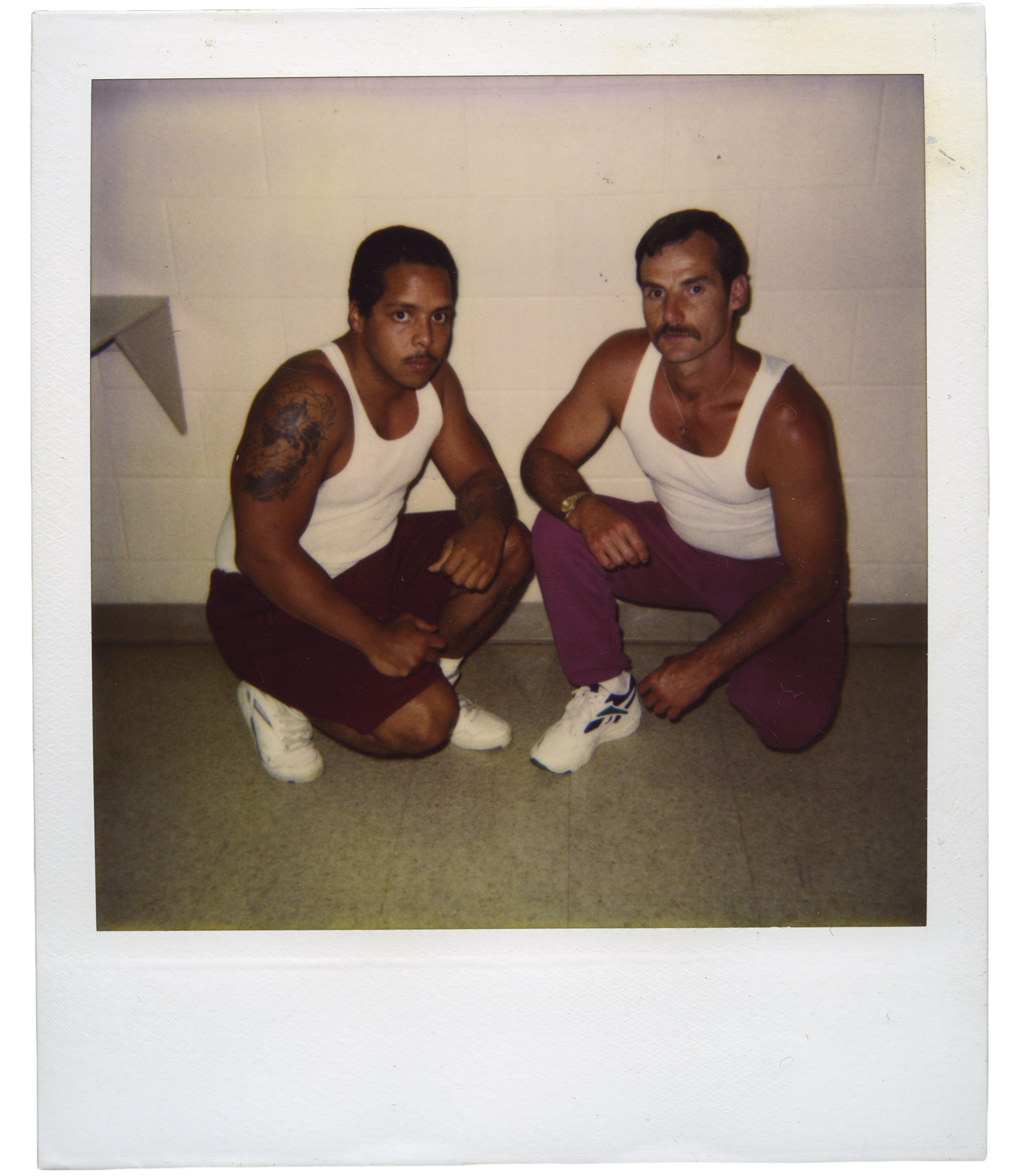
“I never planned on this, you know, I mean, and it wasn’t like a freedom. It was more of a burden... ”

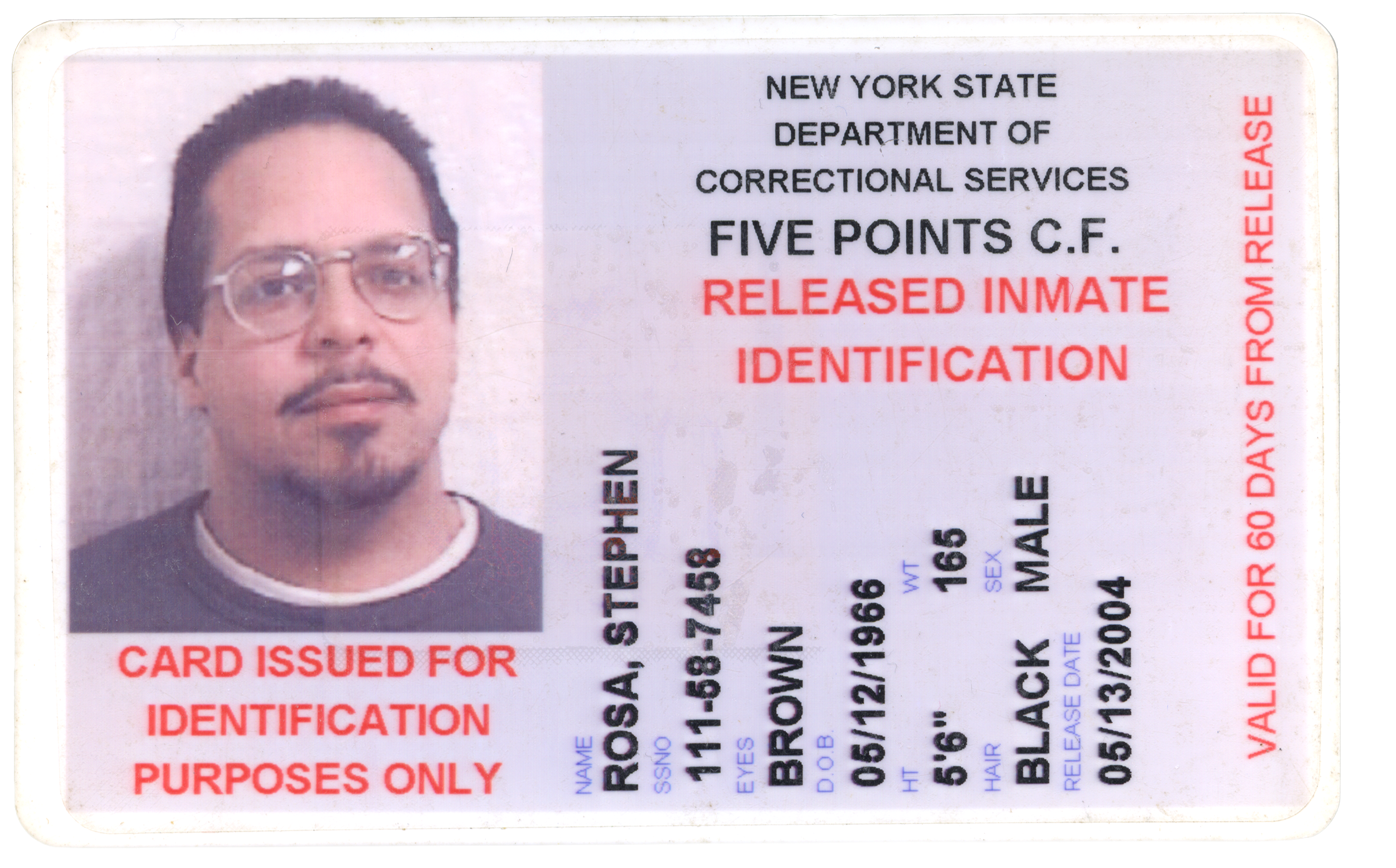
The last time Rosa got released from prison, he couldn’t go home to his wife due to an order of protection she put on him. As a result, he was placed in a shelter called Freedom House, a place geared towards those recovering from substance use disorder (SUD) and other behavioral disorders. There, Rosa was finally able to stabilize emotionally and begin the path of sobriety. After leaving, Rosa repaired his relationship with his wife and then became an electrician from the certifications and training he received in prison.
Over three years ago, on the anniversary of Stephen’s eight anniversary of sobriety, he decided to spend the day doing needle cleanup with Recovery All Ways (RAW), an organization that promotes harm reduction policies for addiction and unhoused outreach. After his experience volunteering, he decided to quit his job as an electrician and become an outreach worker.“It just fulfilled my soul,” stated Rosa. Now, not only is he a board member of RAW, but an Alcoholics Anonymous (AA) sponsor, an outreach coach with Rochester Grants Pass Resistance group, and a street outreach worker for Person Centered Housing Options (PCHO). “Any day that I’m sober is a good day, every day that I’m out of prison is a great day.”
“ I felt like I had no other kind of like choice, no other recourse.”
![Kattie Brighou gives Stephen Rosa a hug at RAW outreach on March 22, 2026. Brighou has been volunteering at RAW since August of 2025 and claims that Rosa has "loved [her] through some hard times" and she credits him as one of the reasons she's still](https://images.squarespace-cdn.com/content/v1/63a6af03a89a0a25a23bec7e/e518afaa-27fb-4bbc-a4b9-50c600ef73dc/Galindo_Stephen_wholetake_20260322_0014-3.jpg)
Kattie Brighou gives Stephen Rosa a hug at RAW outreach on March 22, 2026. Brighou has been volunteering at RAW since August of 2025 and claims that Rosa has "loved [her] through some hard times" and she credits him as one of the reasons she's still alive.
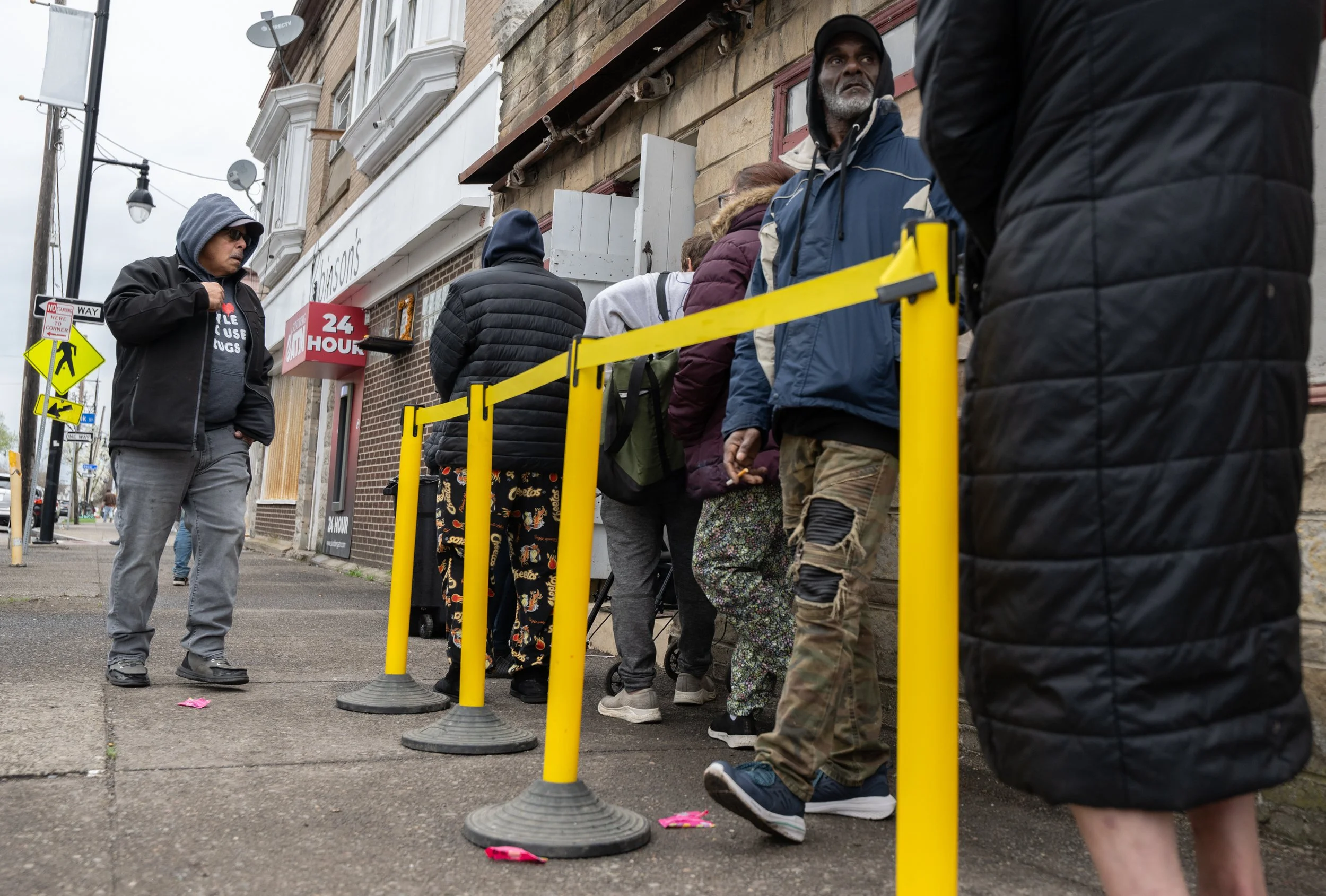
Stephen Rosa talks with people awaiting services at RAW during their outreach on April 19, 2026.
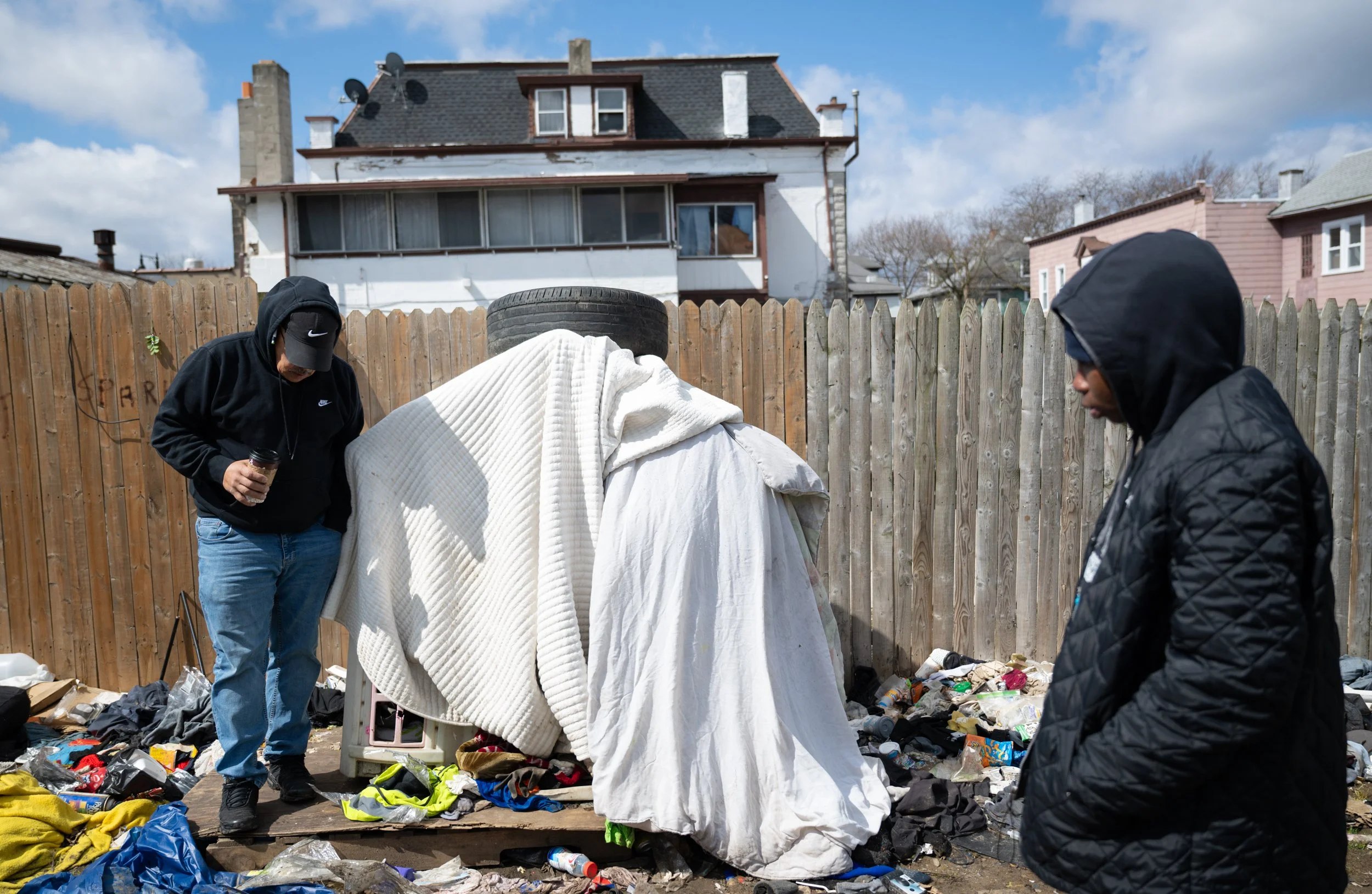
Stephen Rosa talks with an unhoused man named Cody through his sleeping arrangement during PCHO outreach in on April 6, 2026. Cody lives in a children's outdoor playhouse behind RAW and has a habit of accumulating clothes and garbage around the area.
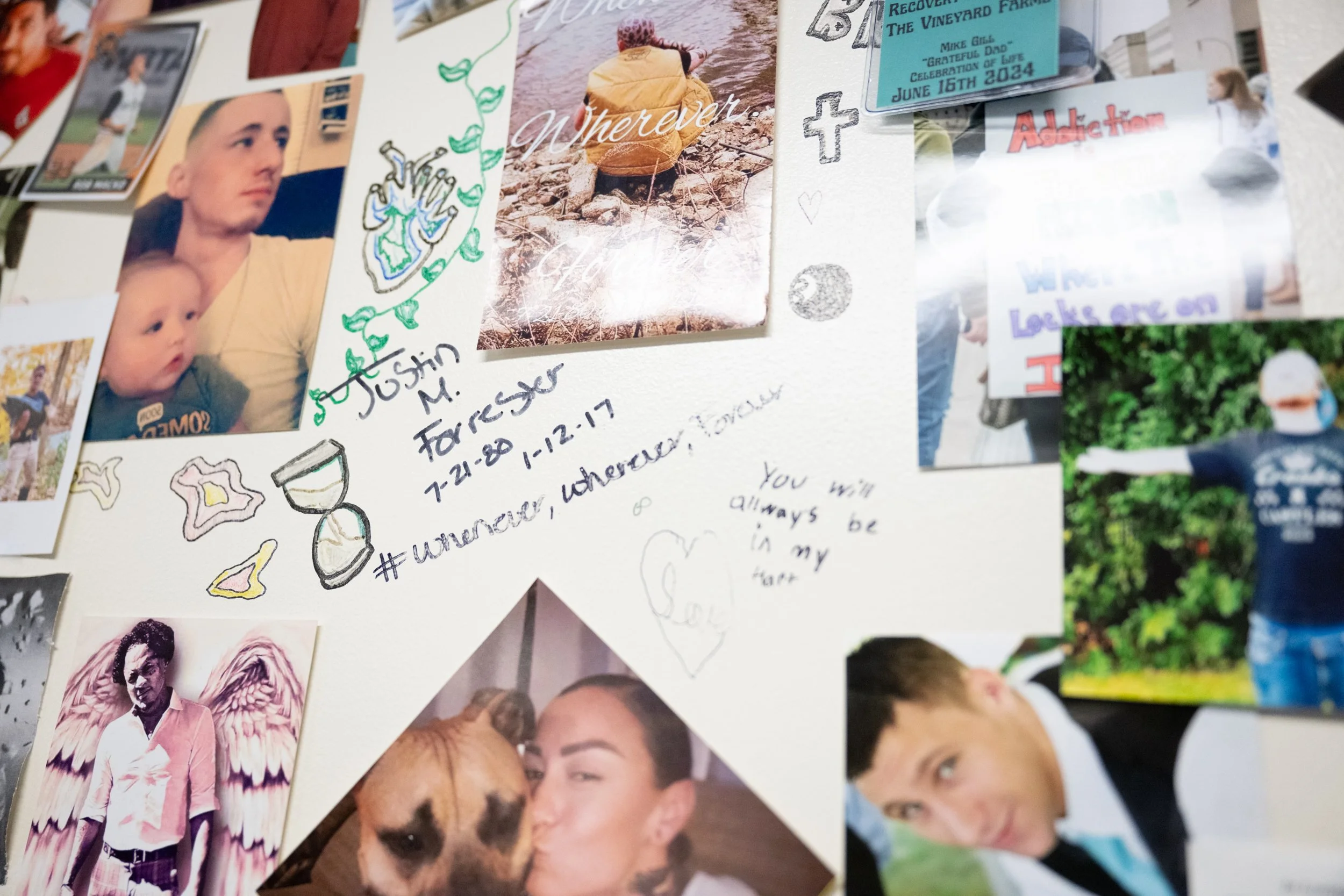
A detail of the wall of remembrance at RAW in on April 5, 2026. This is one of the walls in RAW that has pictures and notes commemorating volunteers or people who have obtained their services who have since passed away.
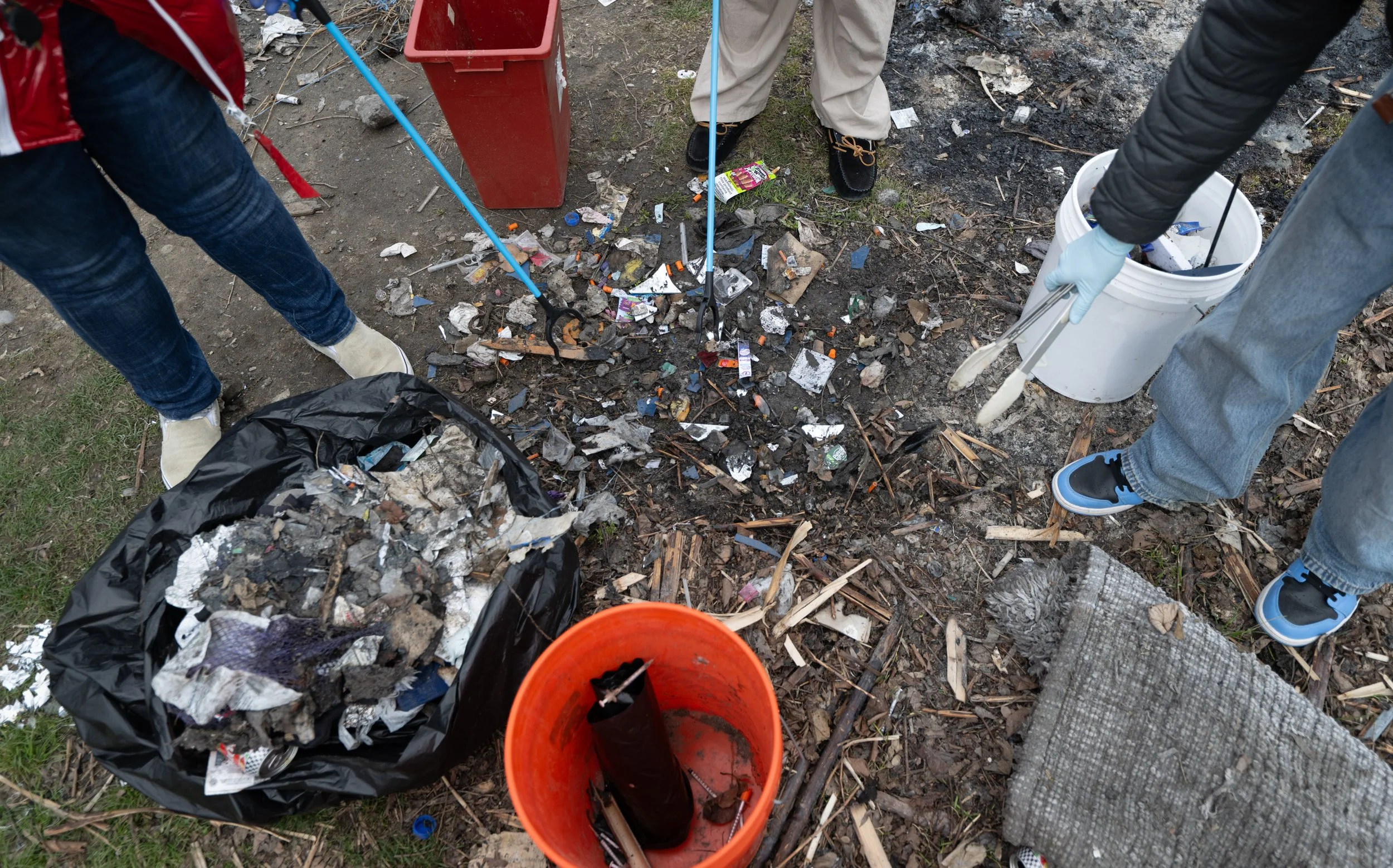
Khandi Perez, left, Izabella Forrester, middle, and Desmund Burns, right, pick up needles and garbage behind RAW on April 12, 2026.
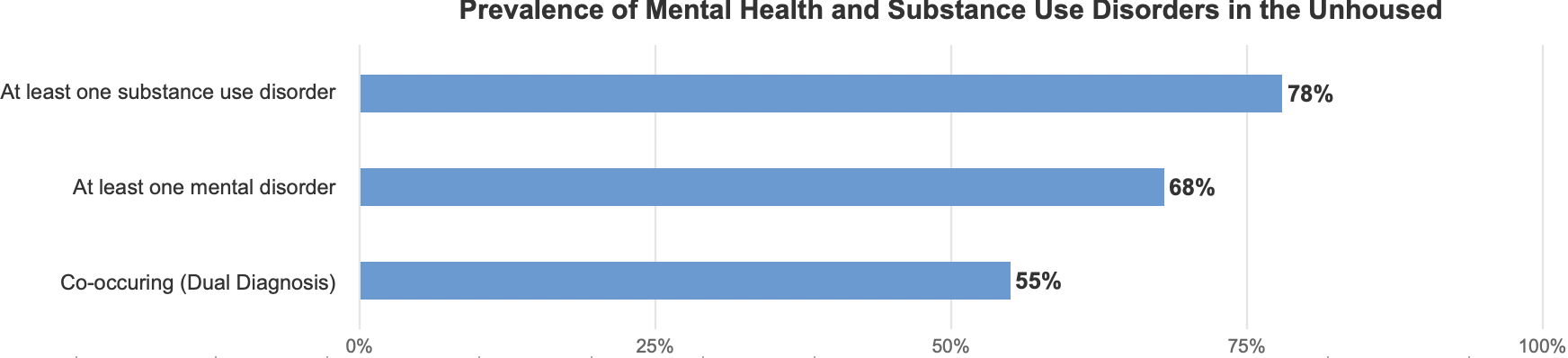
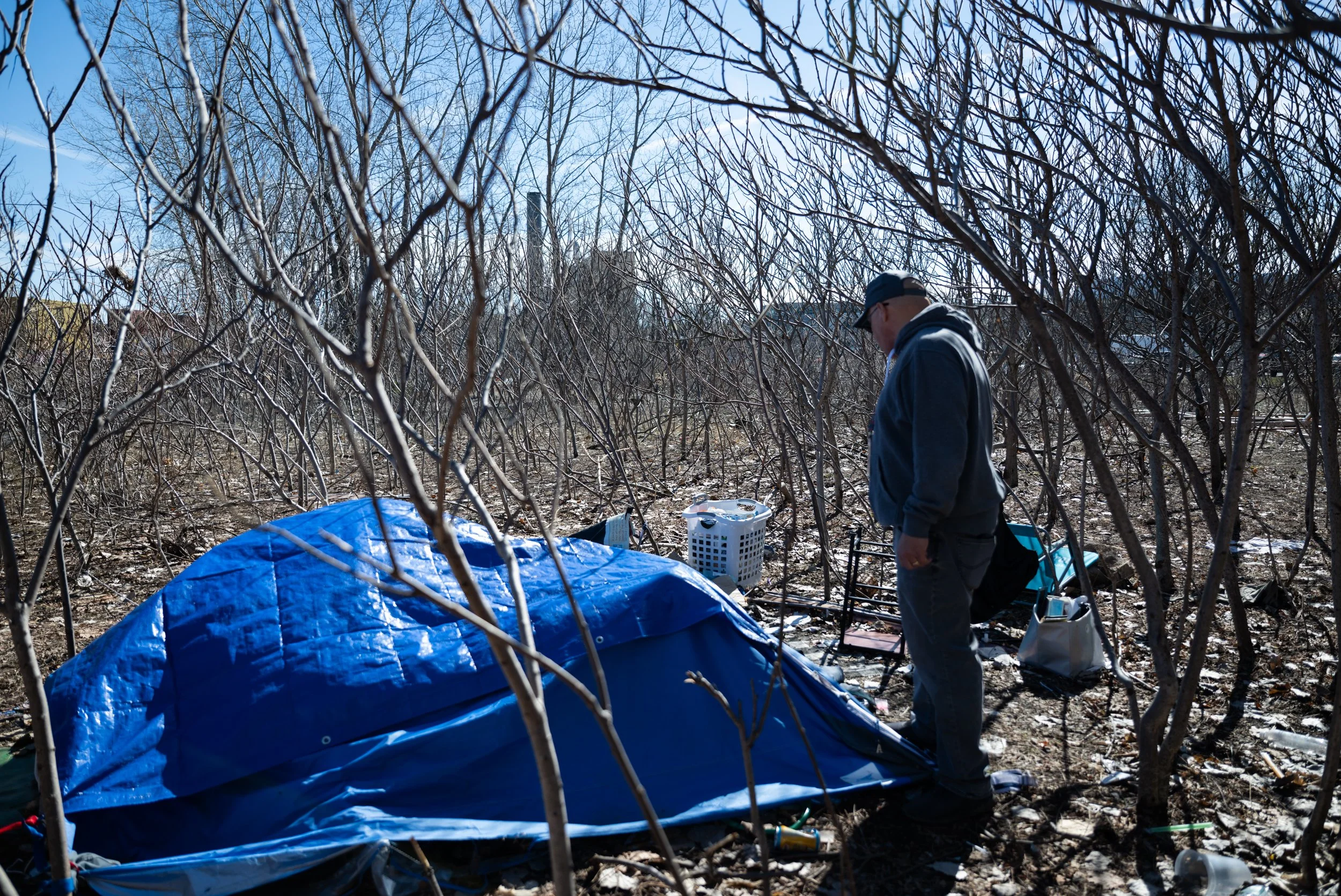
(Left) Data from the University of British Columbia Department of Psychiatry study on the correlation of substance use, mental health disorders, and homelessness in Vancouver, CA, published on July 22, 2016. (Right) Stephen Rosa checks in on an encampment on March 9, 2026. This location is not listed on the official list of sites that’s reported to the city. “Within a certain amount of time of being on the city wide list, they’ll usually get cleaned out” stated Rosa. “I know they don’t want housing so I just check in on them after awhile and see if they need anything.”
Rosa’s experience is not unique. The experiences of SUD and being unhoused often go hand in hand. Christian Schütz, the head of the Division of Substance Use & Concurrent Disorders at the University of British Columbia Department of Psychiatry, found in a study that while most unhoused people often begin abusing substances after becoming unhoused, there is a connection between trauma, mental health issues, and SUD.

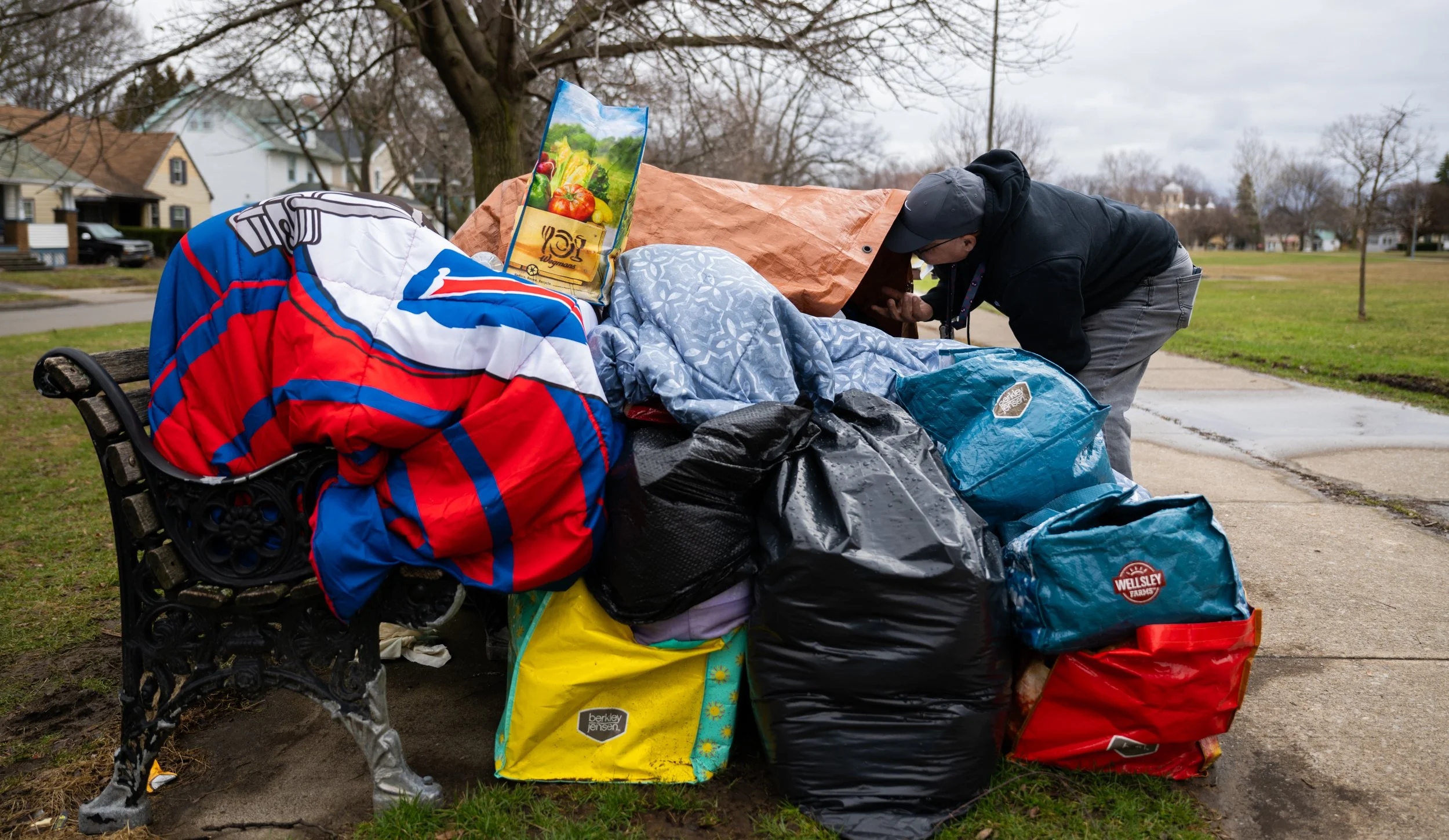
(Left) Genesee Riverway Trail in Rochester, N.Y. on Dec. 2, 2025. Rochester experienced steady snowfall and temperature low of 23 degrees. (Right) Stephen Rosa goes to check in on an unhoused woman while doing outreach at PCHO on March 23, 2026. While the client preferred to remain anonymous, she suffers from paranoid schizophrenia and is distrusting of many social workers.
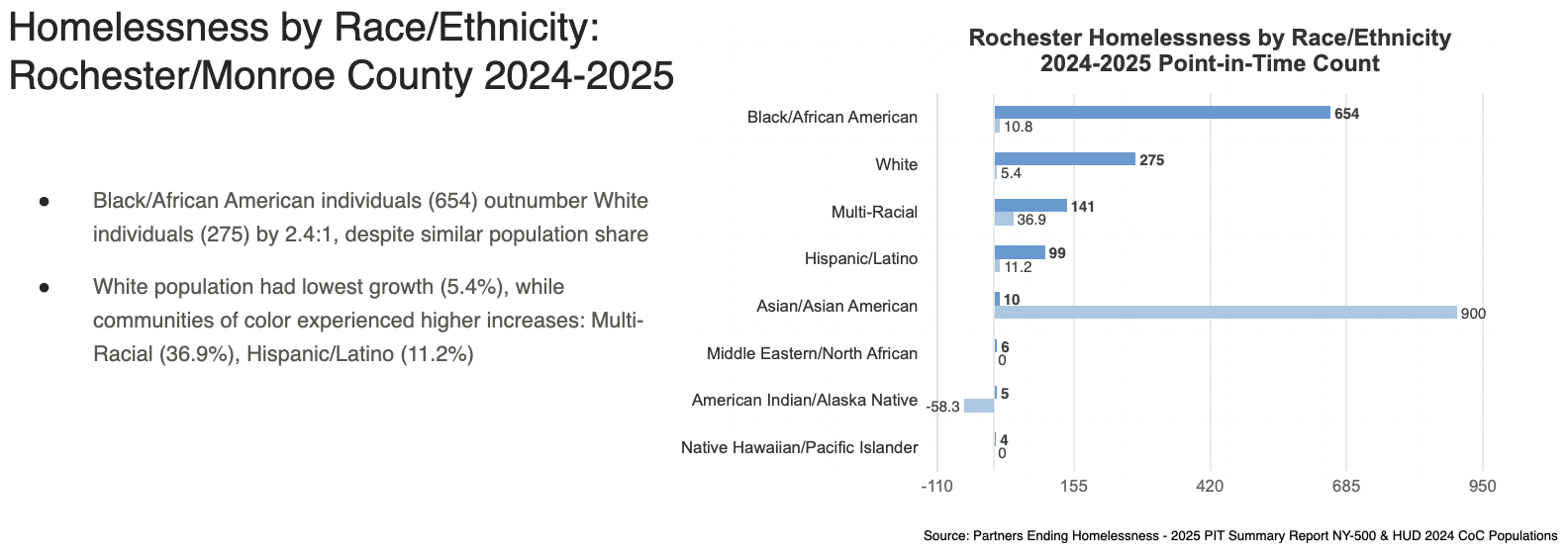
Monroe County in New York State—which contains 19 towns, 10 incorporated villages, and most notably, the city of Rochester—is a midsized county with a population of over 750,000. Rochester not only became known for its heavy winters and its history in the abolitionist and women's rights movements, but also as the industrial hubs of wheat processing, Xerox, Bausch and Lomb, and Eastman Kodak. Along with the area's reputation for social justice reform, Rochester is also known for its gun violence, redlining, wealth disparities, and homelessness.
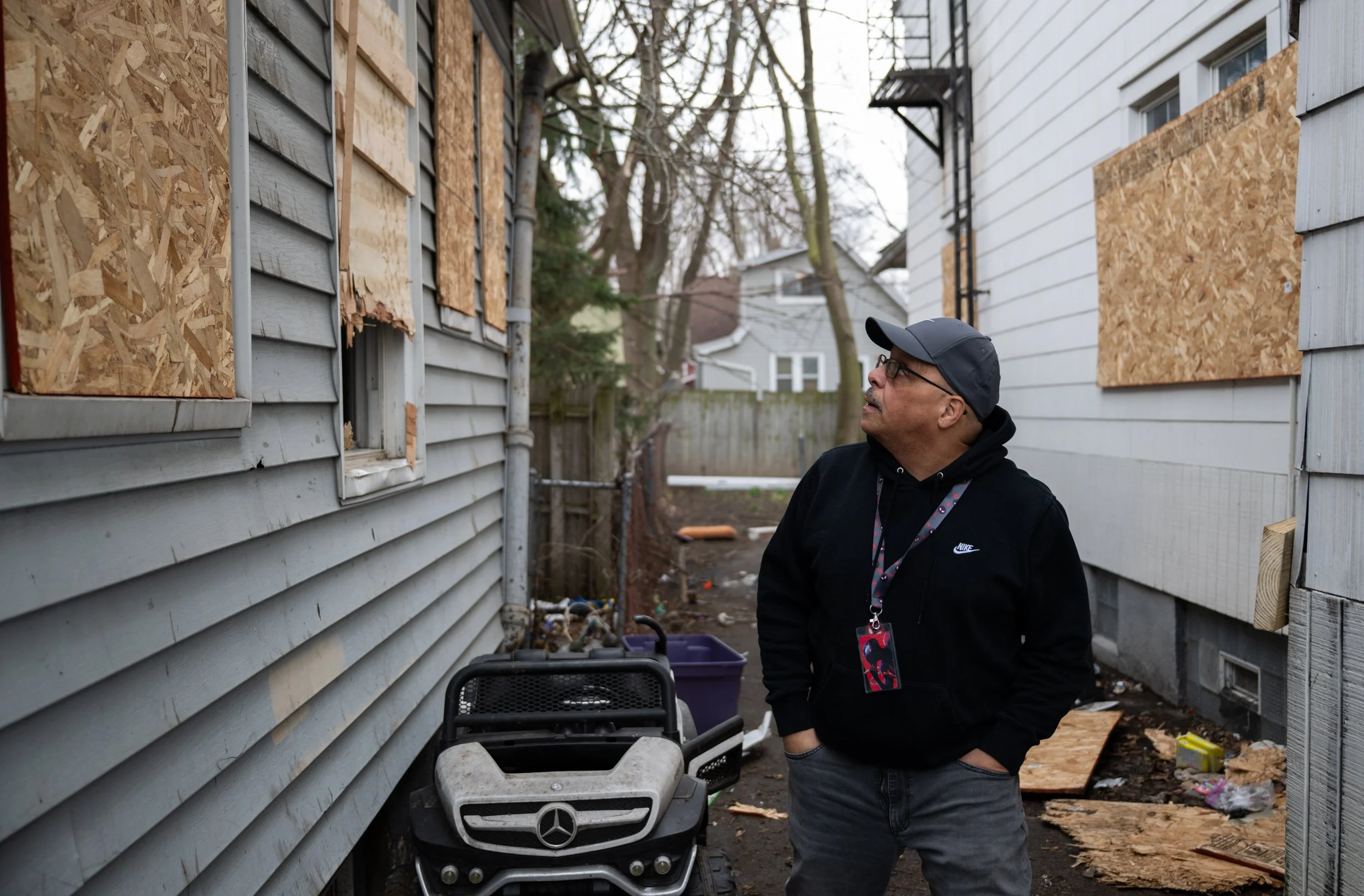
Stephen Rosa checks in on a reported encampment while doing outreach at PCHO on March 23, 2026.

Stephen Rosa does drives the van for PCHO outreach on March 23, 2026.

Andre Clark, a street outreach worker at PCHO, checks to see if an unhoused man is at a reported sleeping site under an underpass in Greece, N.Y. on Nov. 24, 2025. Clark states that it’s not uncommon for people to leave their sleeping arrangements during the day during the colder months. He says that people often leave at dawn to get beds in shelters or find warmer places to spend their day.
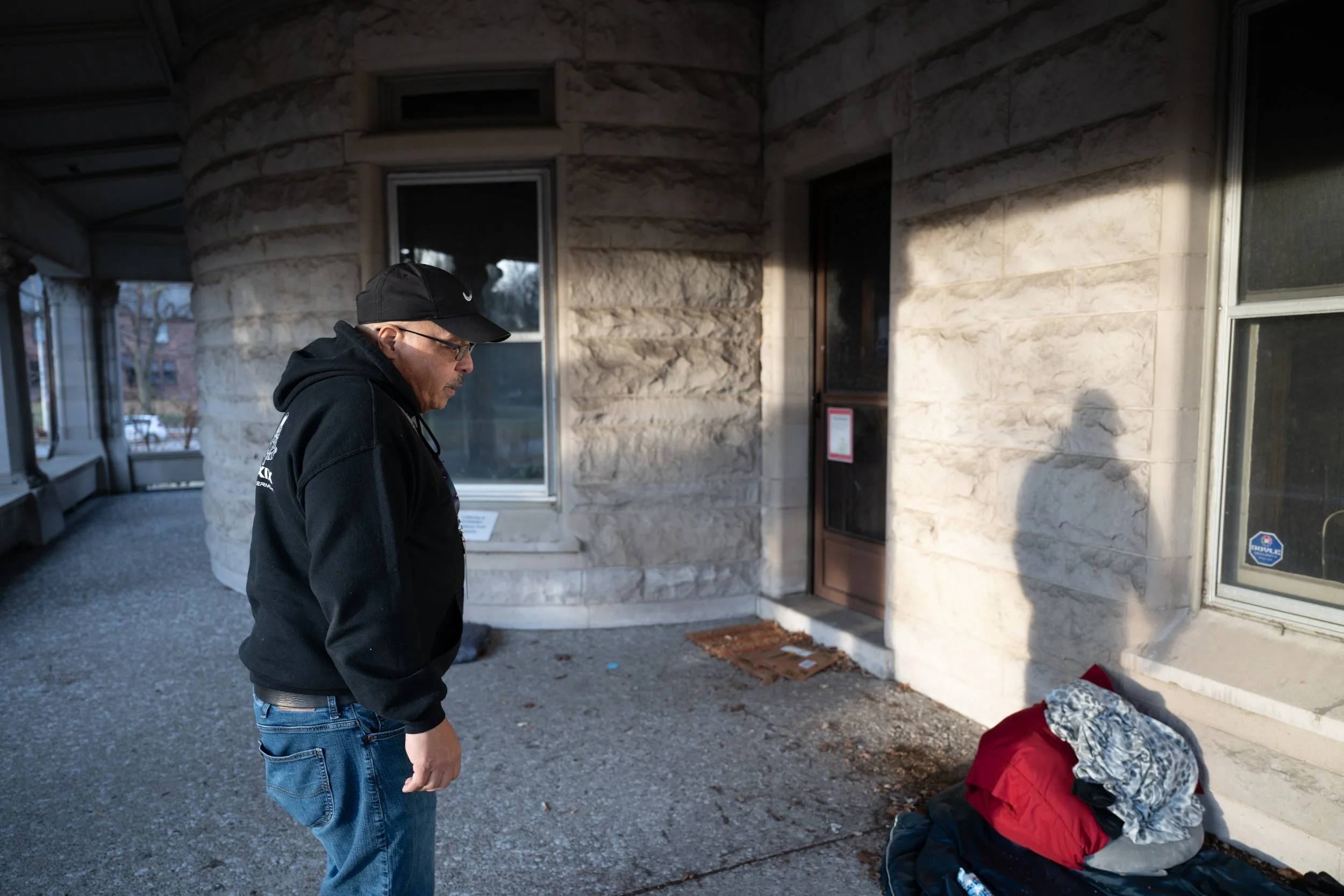
Stephen Rosa checks in on a reported sleeping site at Asbury Church on March 13, 2026.
Marian Moser Jones, an Associate Professor in the College of Public Health and History Department at Ohio State University, states that the term “homelessness” didn’t show up in the United States until the 1870’s and was used to describe nomadic “tramps” who traversed the country in search of work. It wasn’t until the 1980s that what might be considered the modern era of homelessness emerged due to factors such as gentrification, inadequate affordable housing options, high unemployment rates, the HIV/AIDS epidemic, deinstitutionalization of the mentally ill, and deep cuts to the U.S. Department of Housing and Urban Development (HUD) budget.
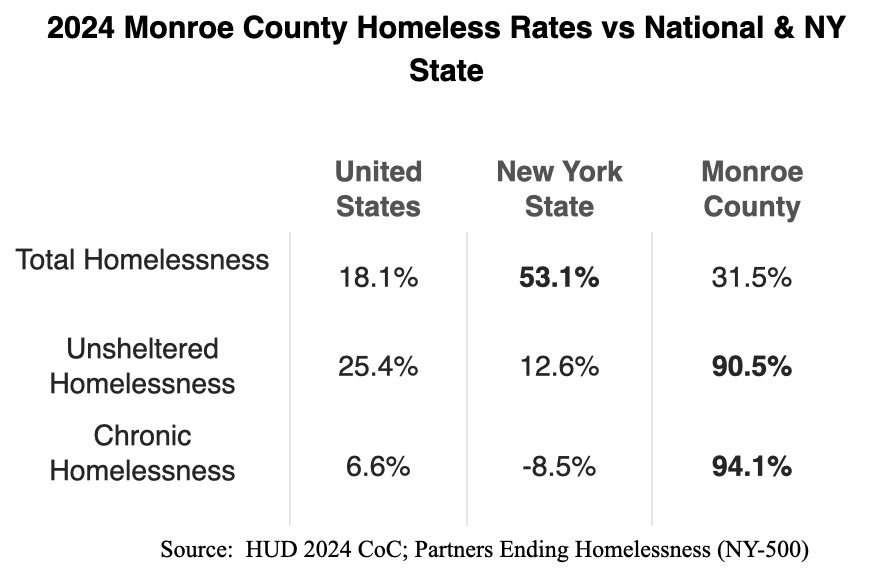
Rosa experienced both sheltered and unsheltered homelessness. Those who experience sheltered homelessness sleep in places like friends’ or families’ couches or temporary housing, while those who are considered unsheltered sleep and live in places not meant for habitation such as tents, cars, and abandoned buildings. Chronic homelessness is when a person has been unhoused, either sheltered and unsheltered, for at least 12 months or on at least four separate occasions within the past three years, as long as the combined occasions accumulate to a combined 12 months.
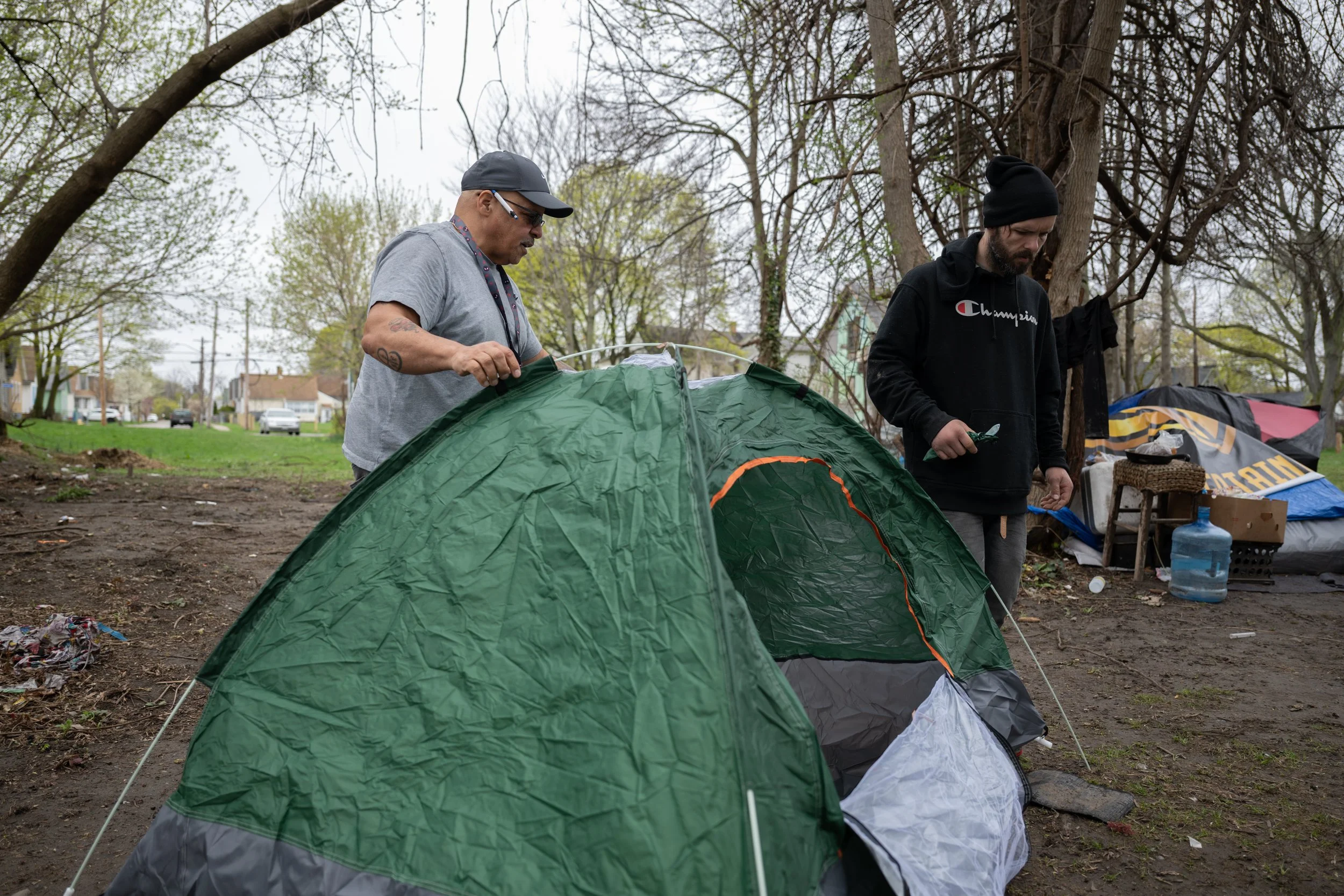
Stephen Rosa helps Brett, a local unhoused man, set up a new tent that Rosa brought him on April 17, 2026.
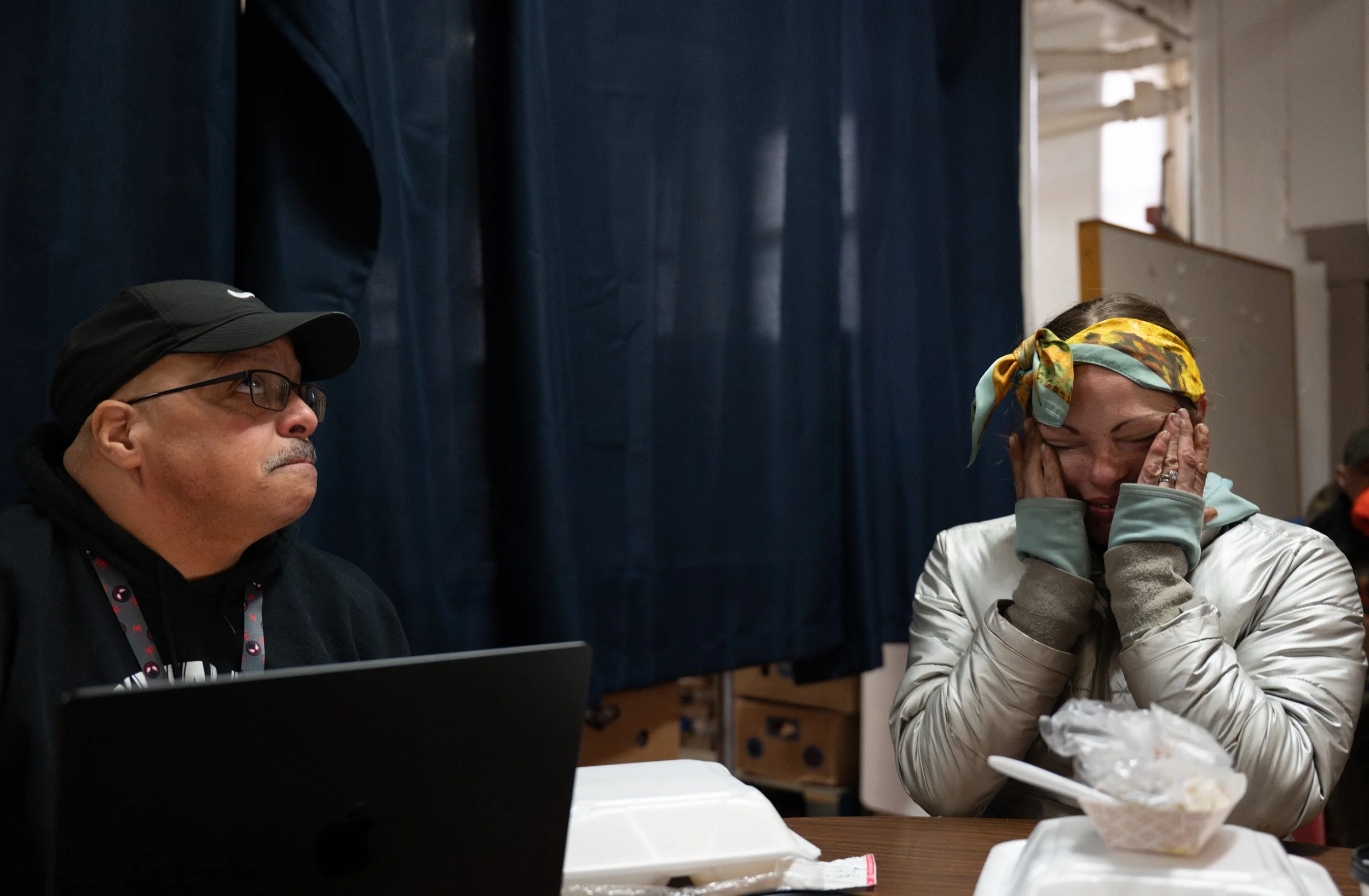
Stephen Rosa comforts new client Jenna Salamone after she began crying when asked about her son at St. Peters kitchen on March 12, 2026. Salamone has been unhoused for a year in a half after her landlord let the property become inhabitable and the city illegally evicted her by not giving her and her husband a 30 day eviction notice.

CD's sit in a water-filled bin at the campsite of Jenna and Dan Salamone on March 9, 2026. Salamone and her husband Dan then began living in tents on the property and are now looking to get housing. Her 14-year-old son currently lives with his biological father and she wants to be able to see him more often.
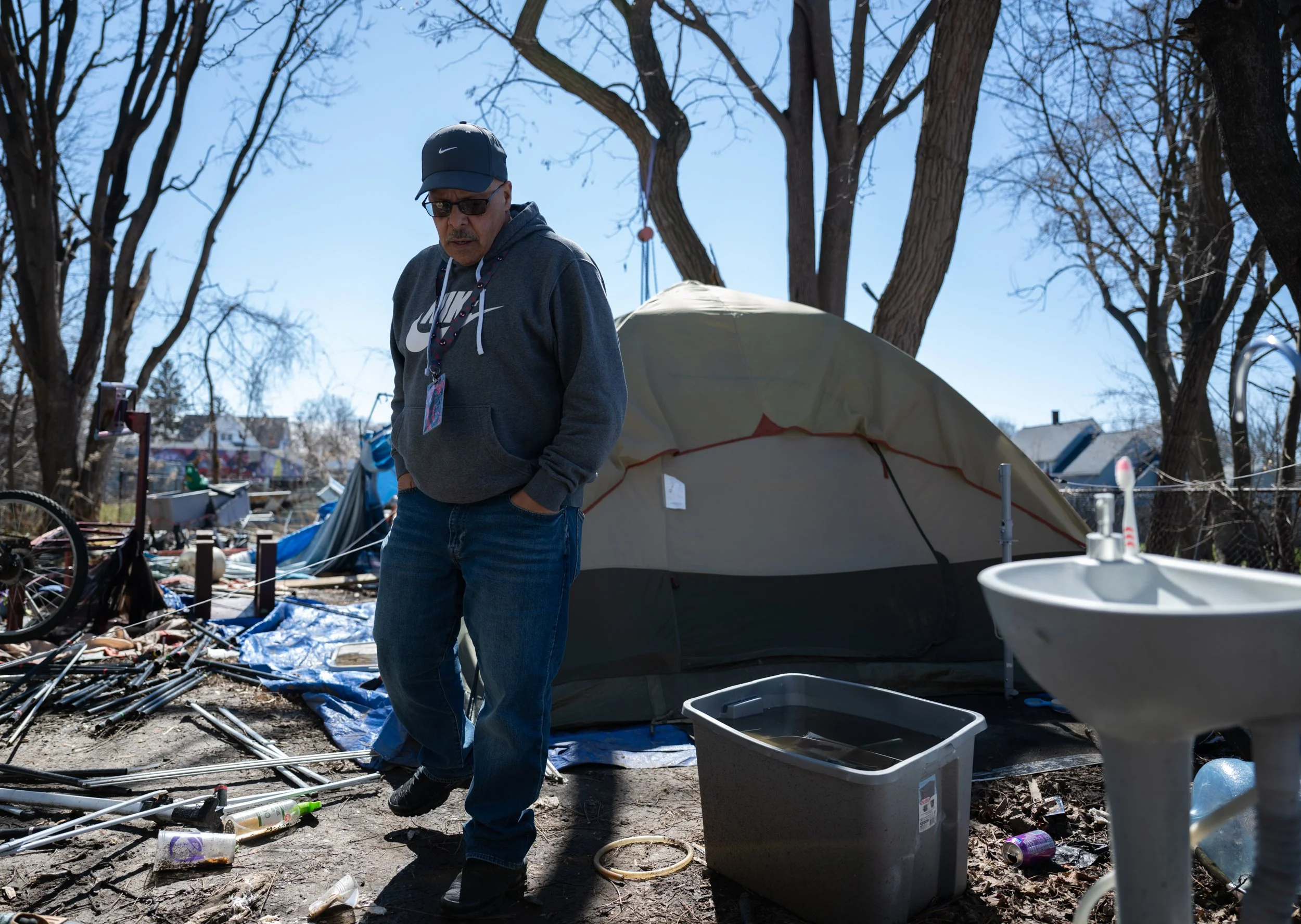
Stephen Rosa checks in on the campsite of his clients, Jenna and Dan Salamone on March 27, 2026.
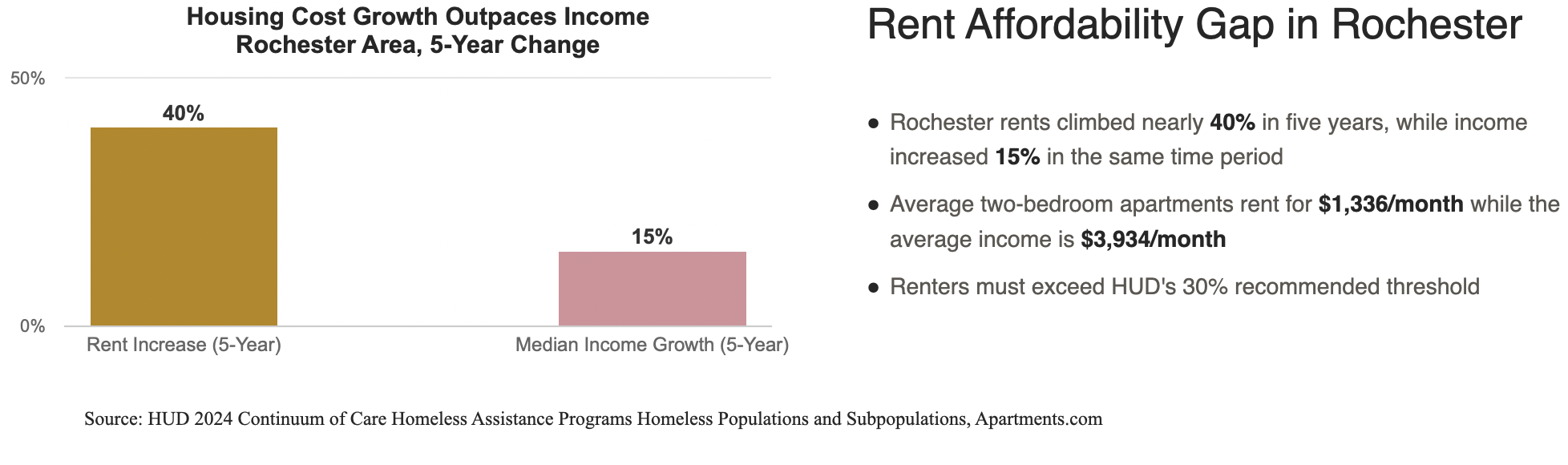
The National Low Income Housing Coalition’s 2021 report stated that 70% of the lowest-wage households regularly spend more than half of their income on rent, placing them at an increased risk of homelessness if there are any emergencies or surprise expenses. Despite dramatic increases in the cost of living, the Department of Family Services has not updated their eligibility guidelines to match. Partners Ending Homelessness, the primary planning and coordinating body for homeless housing and services in Monroe County, states that the increase in homelessness is directly related to high eviction cases and a decrease in supply of affordable housing.
Along with rising housing costs, prices of food, utilities, transportation, and medical care have all increased throughout the United States (according to the CBS price tracker), and we’re in what many sources are calling a “cost of living crisis.” “...rent is so expensive nobody can afford it” proclaimed Chuck Albanese, the CEO of PCHO. At the same time, essential government services such as food stamps are being cut as well as funding typically allocated to domestic outreach organizations. “...We pay about $105,000 every single month for rent. So if a chunk of that's taken away, it's going to have… economic ripple effects to our community” stated Albanese.
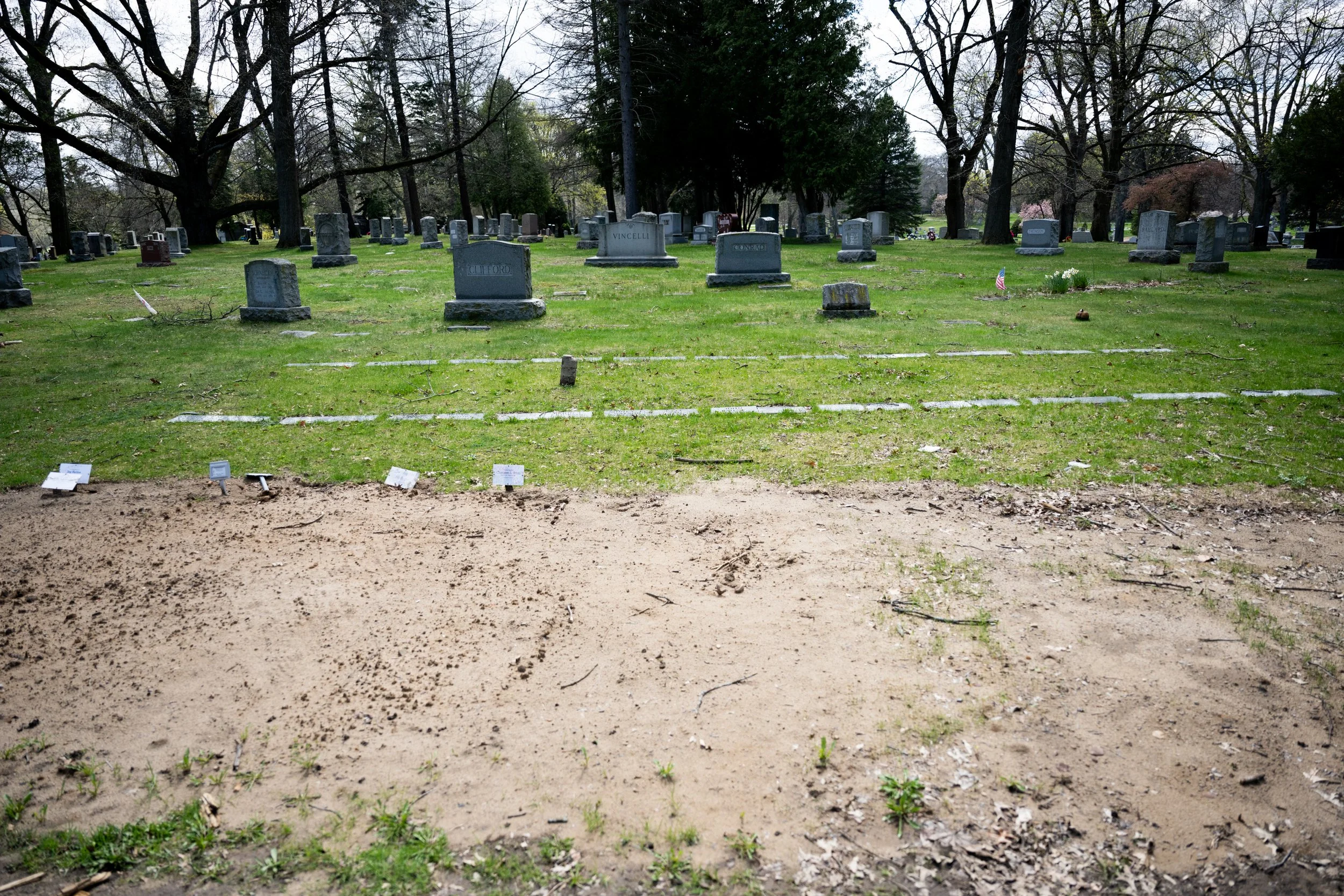

“If you look at homeless individuals, there's a lot of unmet needs,” declares Albanese. With unsanitary living conditions, chronic addiction, and a lack of healthcare options, many unhoused people either pass away or become chronically ill from preventable and treatable diseases.
Indigent gravesites at the Riverside Cemetery on April 20, 2026. The indigent sites are where unhoused or unclaimed deceased people are buried in Rochester.
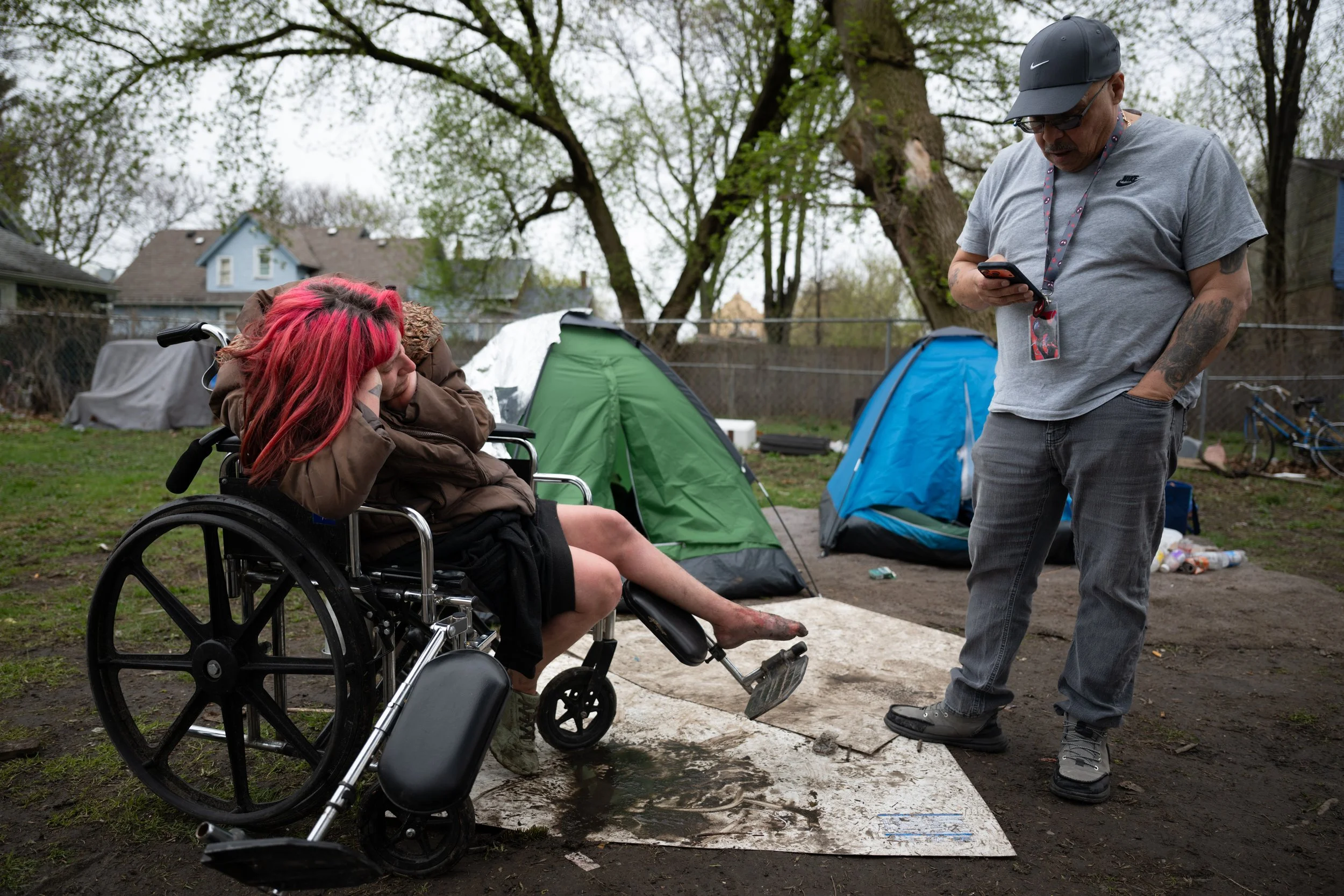

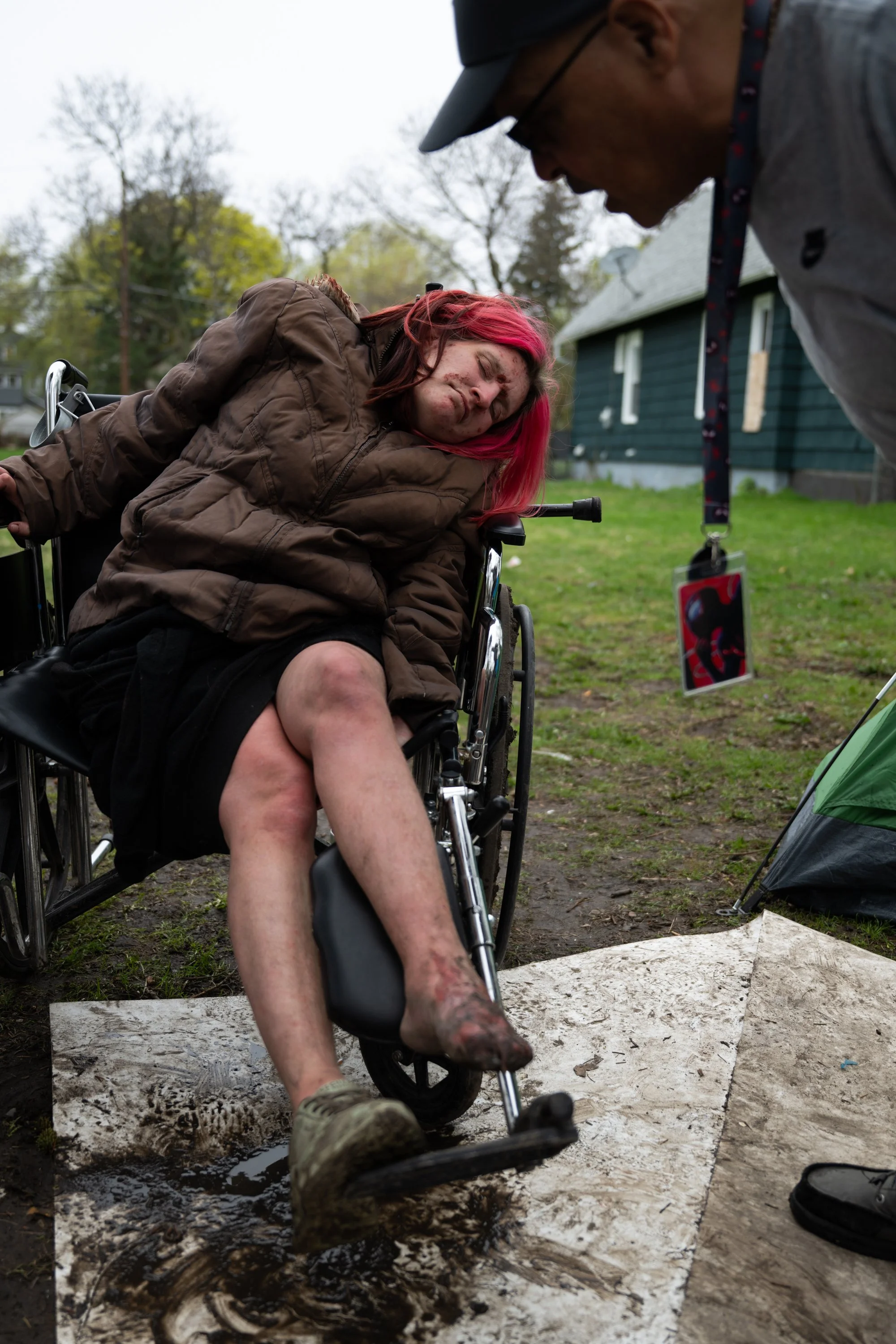
Jessica Potuck sits in a wheelchair at a homeless encampment site on April 17, 2026. After wearing a walker boot, Potuck took it off this day to discover that her foot had become severely infected. She currently owns no tent nor does she have a place to sleep. Soon after meeting her, Rosa called Andrea Budisco—a street medicine nurse at Health Reach whom Potuck claims to have known since childhood—and she was brought to the hospital where her foot had to be amputated.
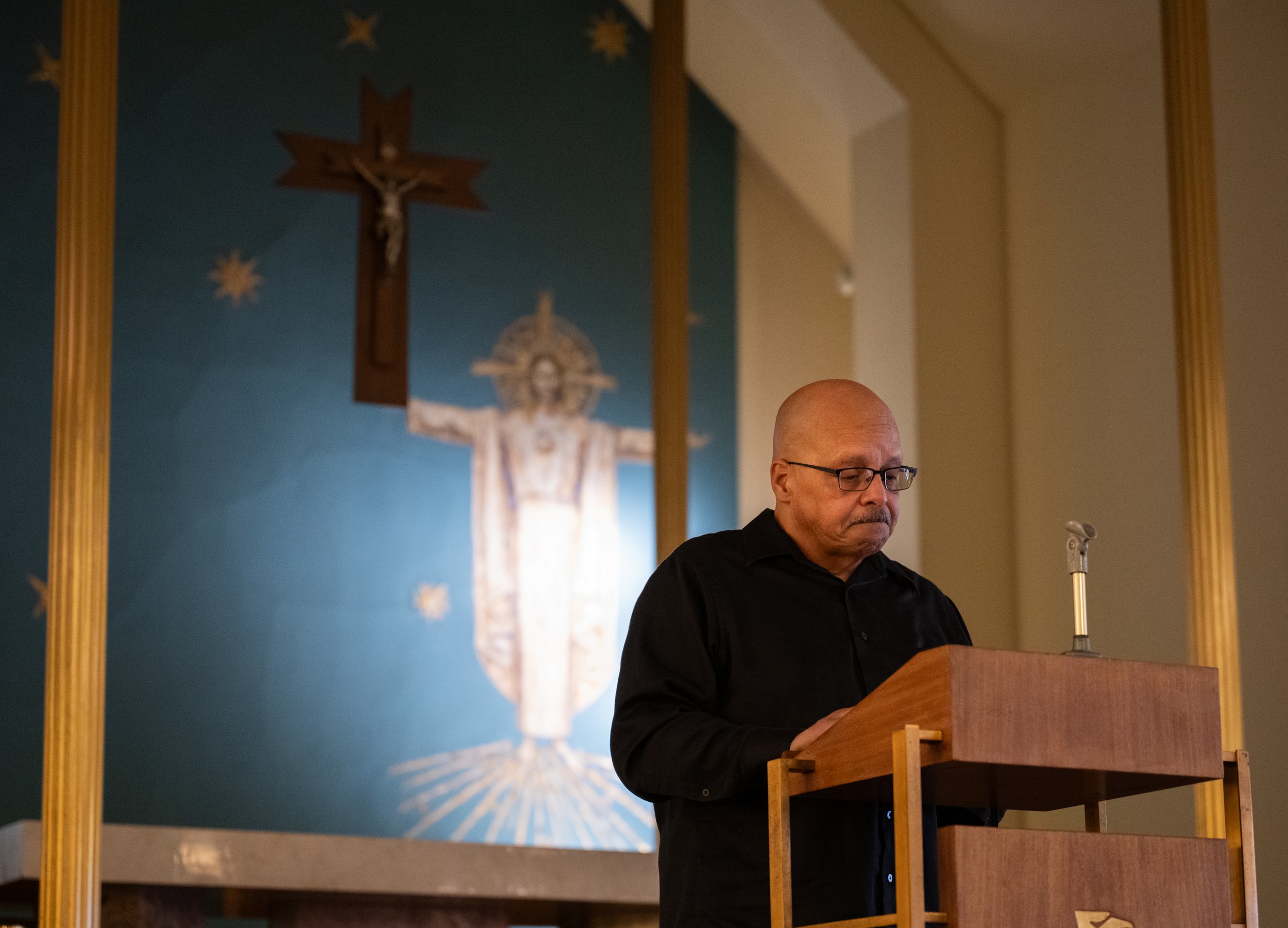
Stephen Rosa speaks at the 2025 National Homeless Persons’ Memorial Day event at the St. Mary’s Campus Chapel on Dec. 18, 2025.

A volunteer helps set up at the 2025 National Homeless Persons’ Memorial Day event at the St. Mary’s Campus Chapel on Dec. 18, 2025. The volunteer preferred not to be named.
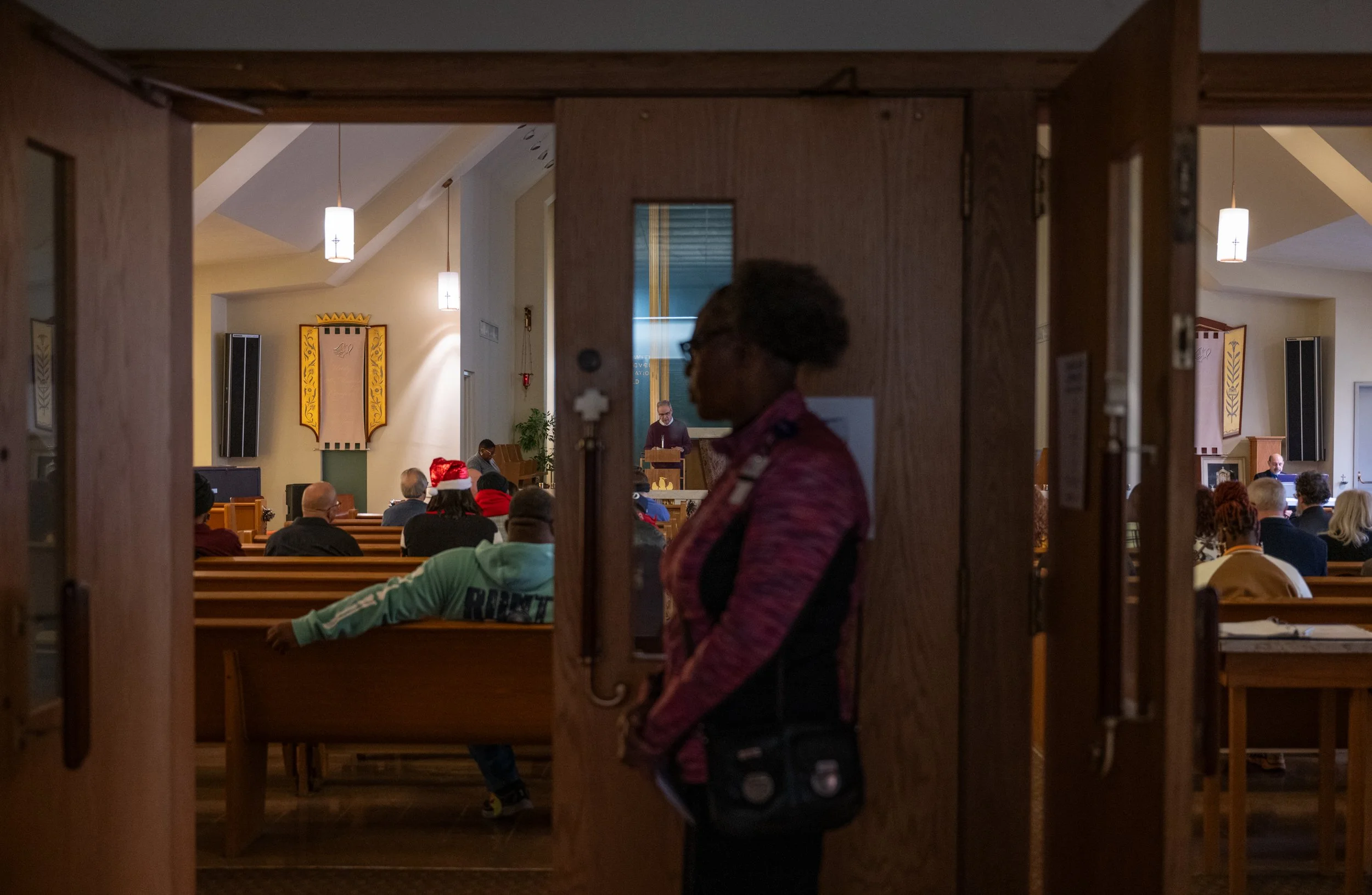
Health Reach social worker Kim Allen watches the 2025 National Homeless Persons’ Memorial Day event at the St. Mary’s Campus Chapel on Dec. 18, 2025.

Members of "Strings for Success" from the Center for Youth play violin during the 2025 National Homeless Persons’ Memorial Day event at the St. Mary’s Campus Chapel on Dec. 18, 2025. Strings for Success operates on the belief that "all children should have the opportunity to benefit from the life-changing power of learning a musical instrument."
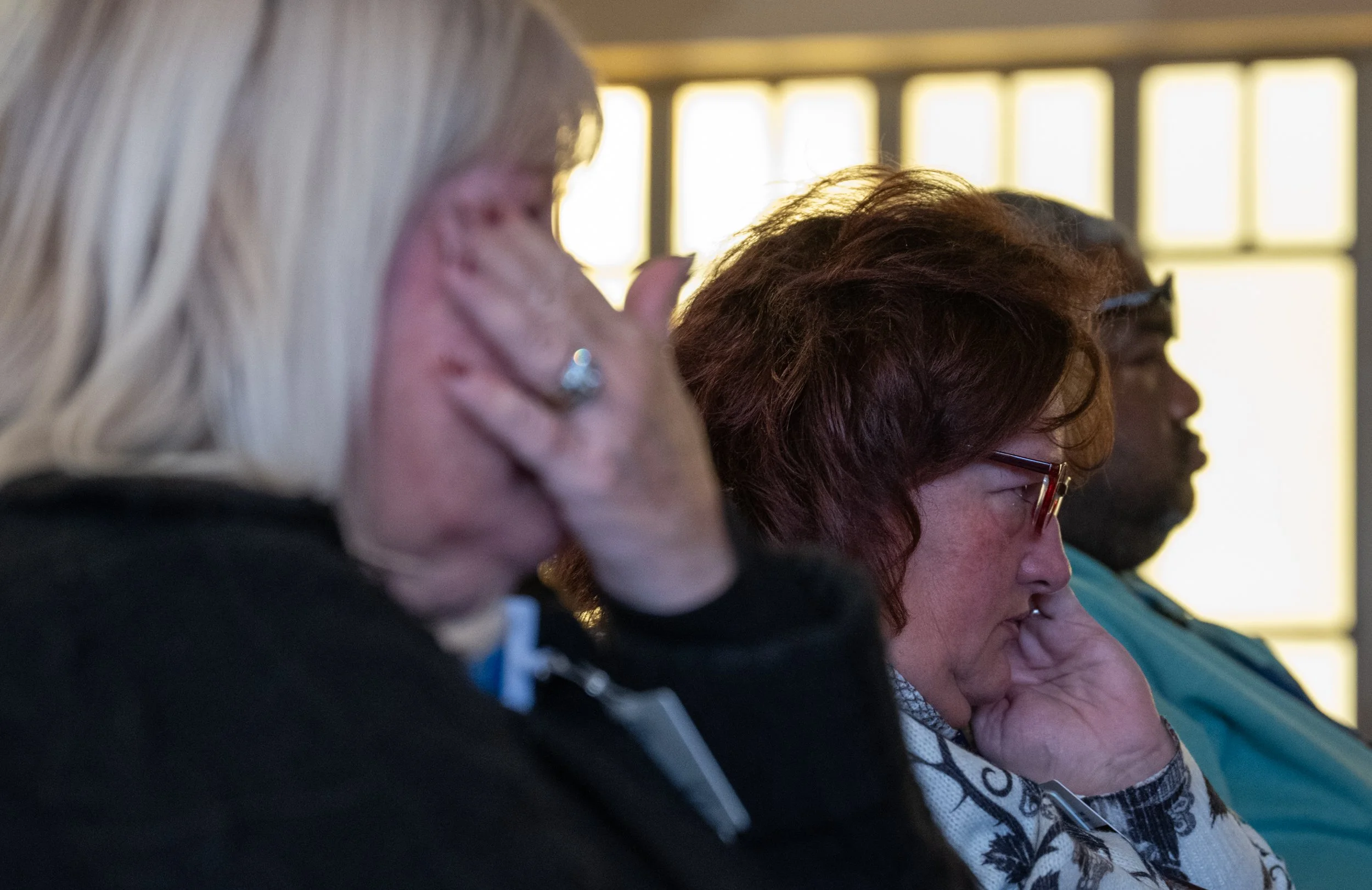
Audience members react to the speech delivered by health Reach CEO, Michael Hudson, during the 2025 National Homeless Persons’ Memorial Day event at the St. Mary’s Campus Chapel on Dec. 18, 2025.

Evonne Cochran reacts to the "Strings for Success" performance during the 2025 National Homeless Persons’ Memorial Day event at the St. Mary’s Campus Chapel on Dec. 18, 2025. Cochran is a housing stability coordinator for PCHO.
Annually, on or around the winter solstice—the longest and darkest night of the year—cities observe National Homeless Memorial Day to honor those who have passed away while being unhoused.
Mike Hudson, the CEO of Health Reach who hosted the Rochester Homeless Memorial Day service, stated that “many of the people that we mourn this year died after becoming housed, but their health just caught up to them.”

Stephen Rosa carries food and groceries up to Robin Carpenter's room on April 17, 2026. Rosa came to check in on the current condition of the house and take pictures for records.
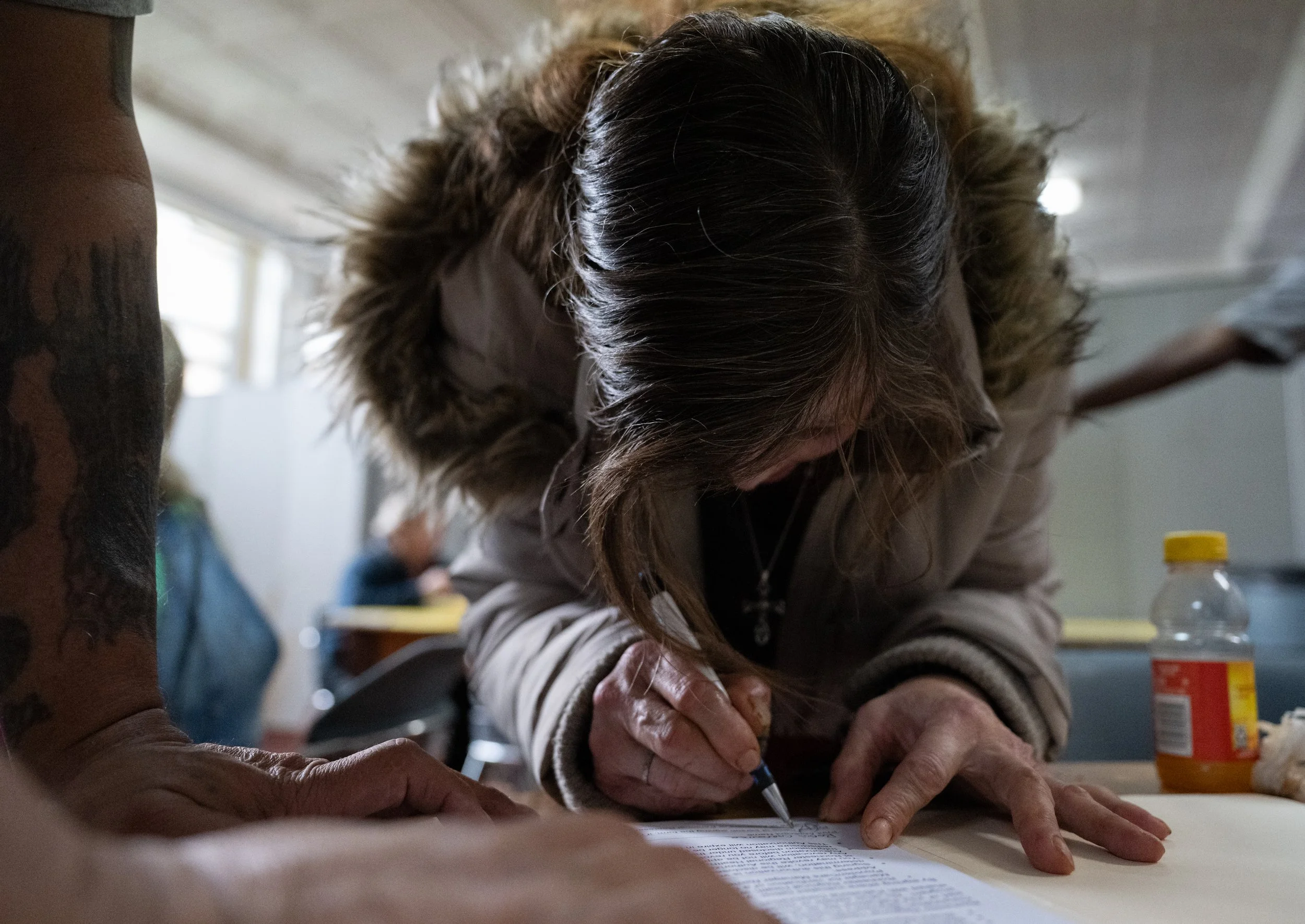
Robin Carpenter meets with Stephen Rosa to fill out PCHO paperwork at St. Peter's Kitchen on April 17, 2026. Carpenter has burns on 70% of her body from an episode over a decade ago. During that time, she was going through a dual schizophrenic episode while being high and poured gasoline over herself. She claims that when the gasoline got into her eye, she lit a lighter to see better in the dark and accidentally lit herself on fire.

Robin Carpenter meets with Stephen Rosa to fill out PCHO paperwork at St. Peter's Kitchen on April 17, 2026. The resulting burns left Carpenter legally blind and with very little feeling and mobility in her body.
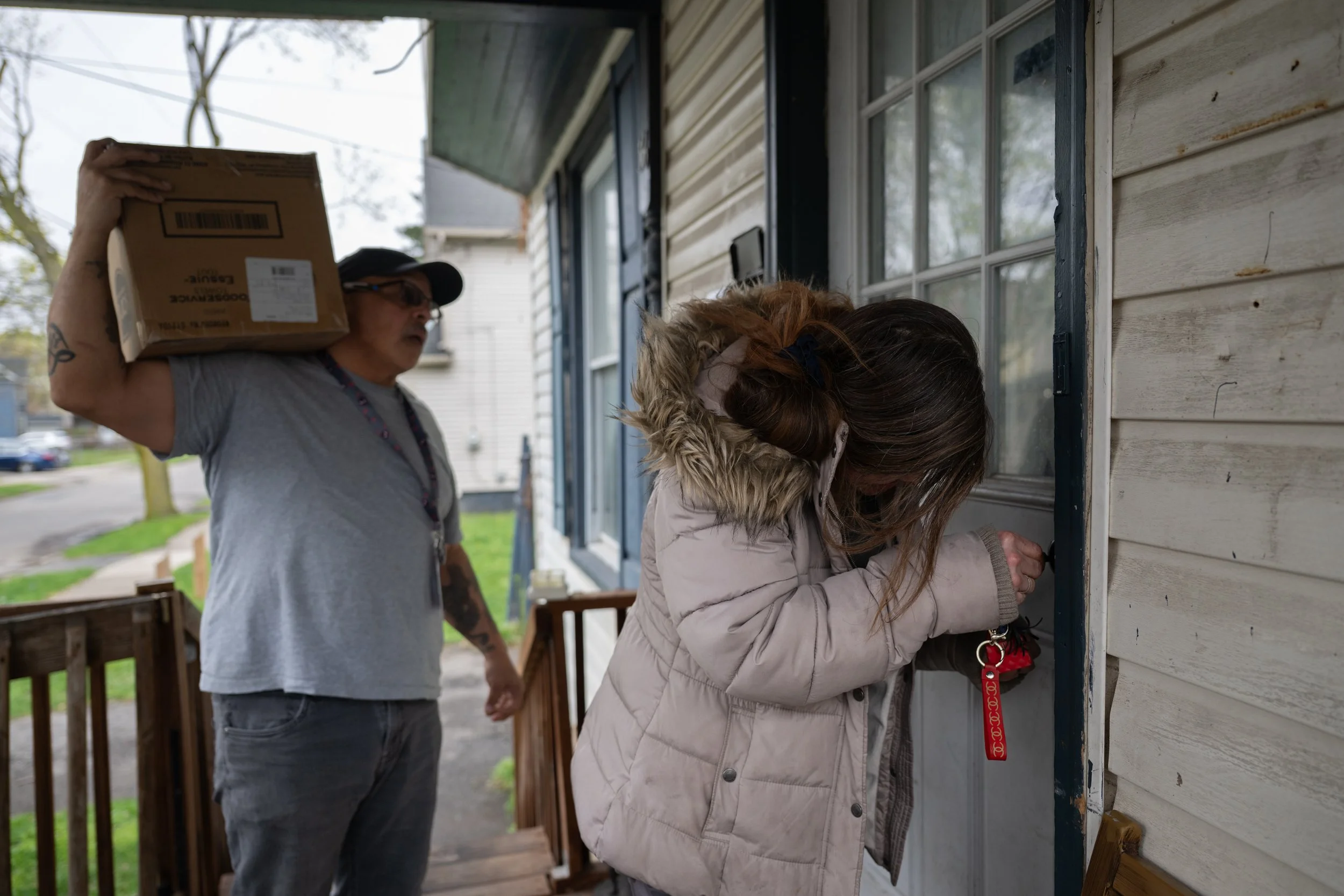
Stephen Rosa waits for Robin Carpenter to unlock her front door so that he can help carry in her belongings on April 17, 2026.
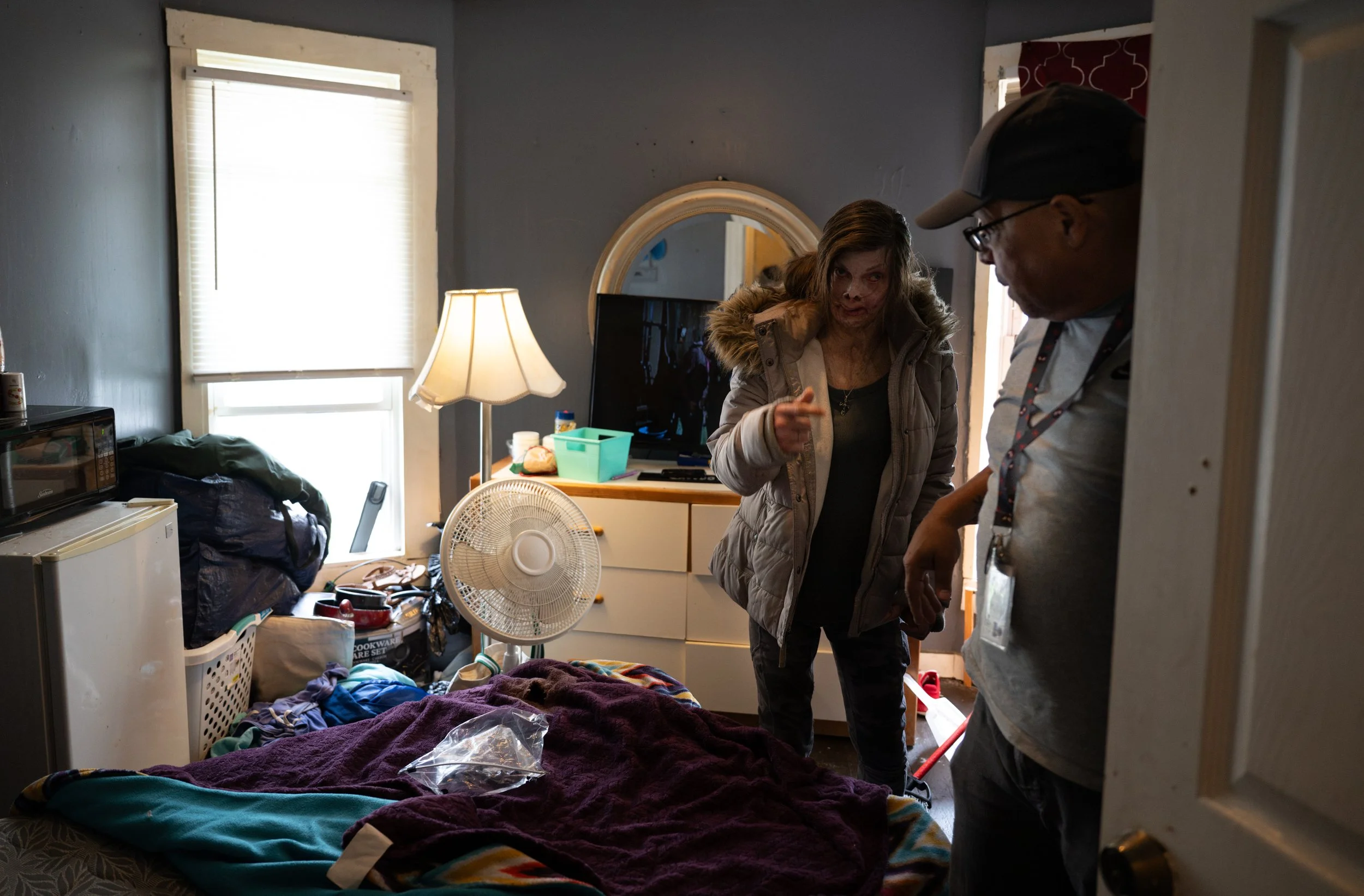
Stephen Rosa talks with Robin Carpenter in her room after helping her carry in food and groceries at her house on April 17, 2026.
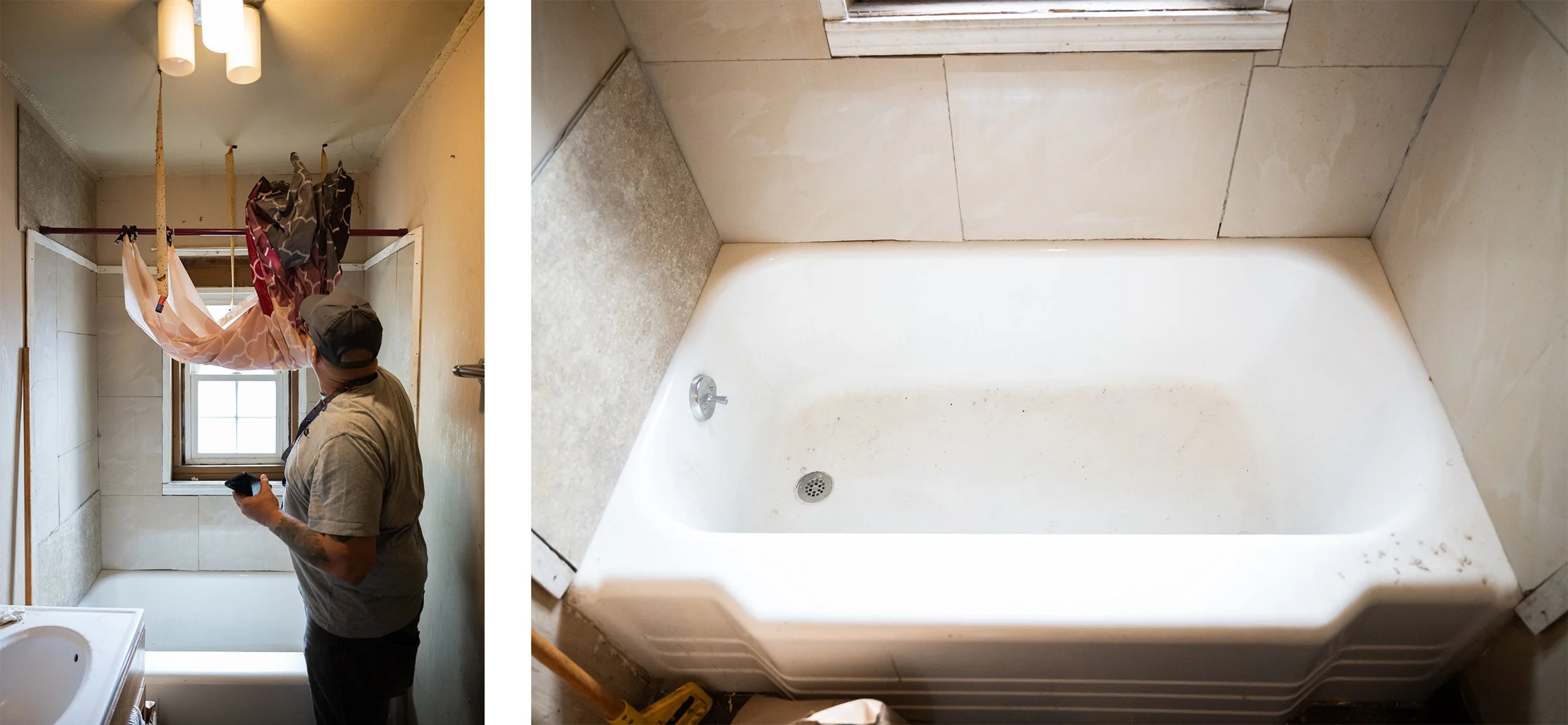
Robin Carpenter's bathroom in her rooming house on April 17, 2026. The bathtub was previously a holding place for another tenants cat litter but was recently cleaned out. The landlord had ripped out the bathtub faucet and shower head leaving the tenants with no place to shower and one running sink in the entire house.
A lack of preventative healthcare for the unhoused doesn’t just cost them their lives, it costs the taxpayer as well.“...If a person is street homeless or living in the car and they go to the E.D. (emergency department) a lot because they're homeless, because they don't get whatever preventive maintenance, that costs you more for that person to do that than to provide a rent subsidy for them to be housed,” says Albanese.
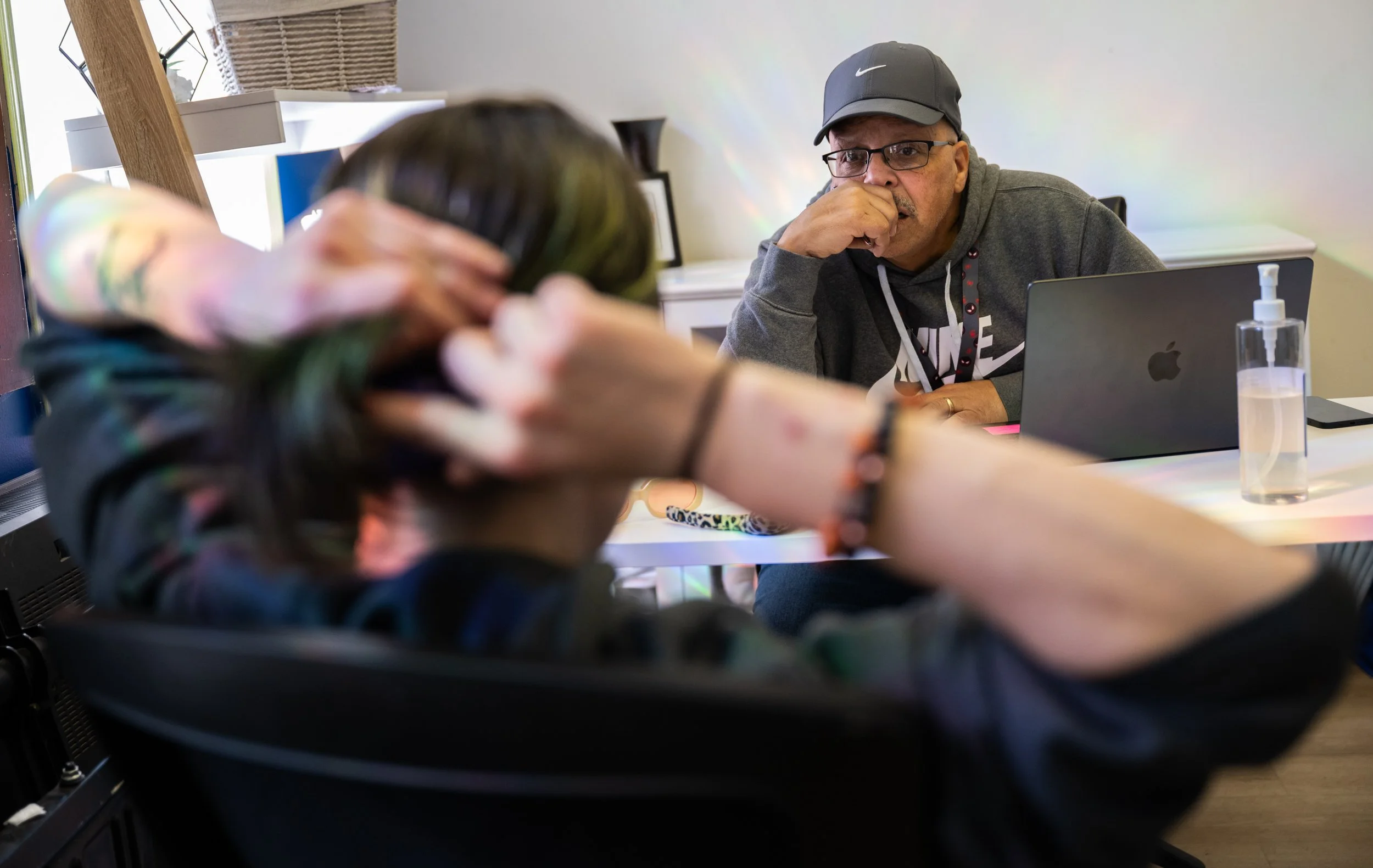
Stephen Rosa helps Sydney Marquez complete intake paperwork to bring her in as a client for PCHO at the Father Tracy’s Advocacy Center on March 27, 2026. Marquez claims that has been unhoused for a year after being illegally evicted and is currently living in an abandoned UHaul with her partner.

Calvin Barnes holds onto a pamphlet before dropping it off for a client during PCHO street outreach on March 2, 2026.
One of the proposed solutions to homelessness is transitional housing. Transitional housing provides temporary living quarters and supportive services to families and individuals experiencing homelessness with the long term goal of eventually moving to and maintaining permanent housing. Some options for transitional housing include Permanent Subsidized Housing—which covers all of a person's rent while they pay 30% of their current income to the program—as well as Rapid Rehousing, which is a two year program that begins with covering 100% of a person’s rent and slowly decreases the amount they pay to help ease the transition to becoming fully self-sufficient.
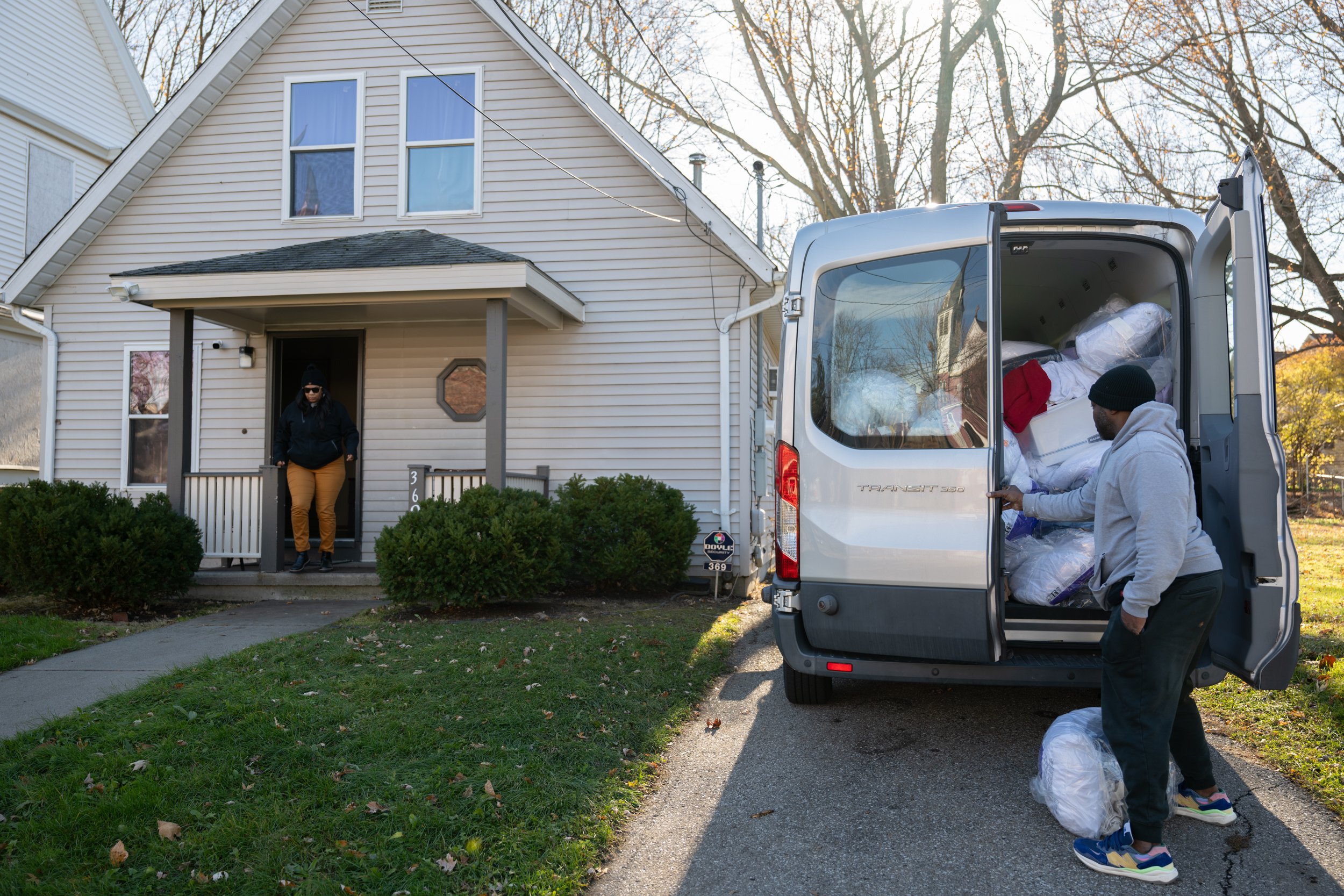
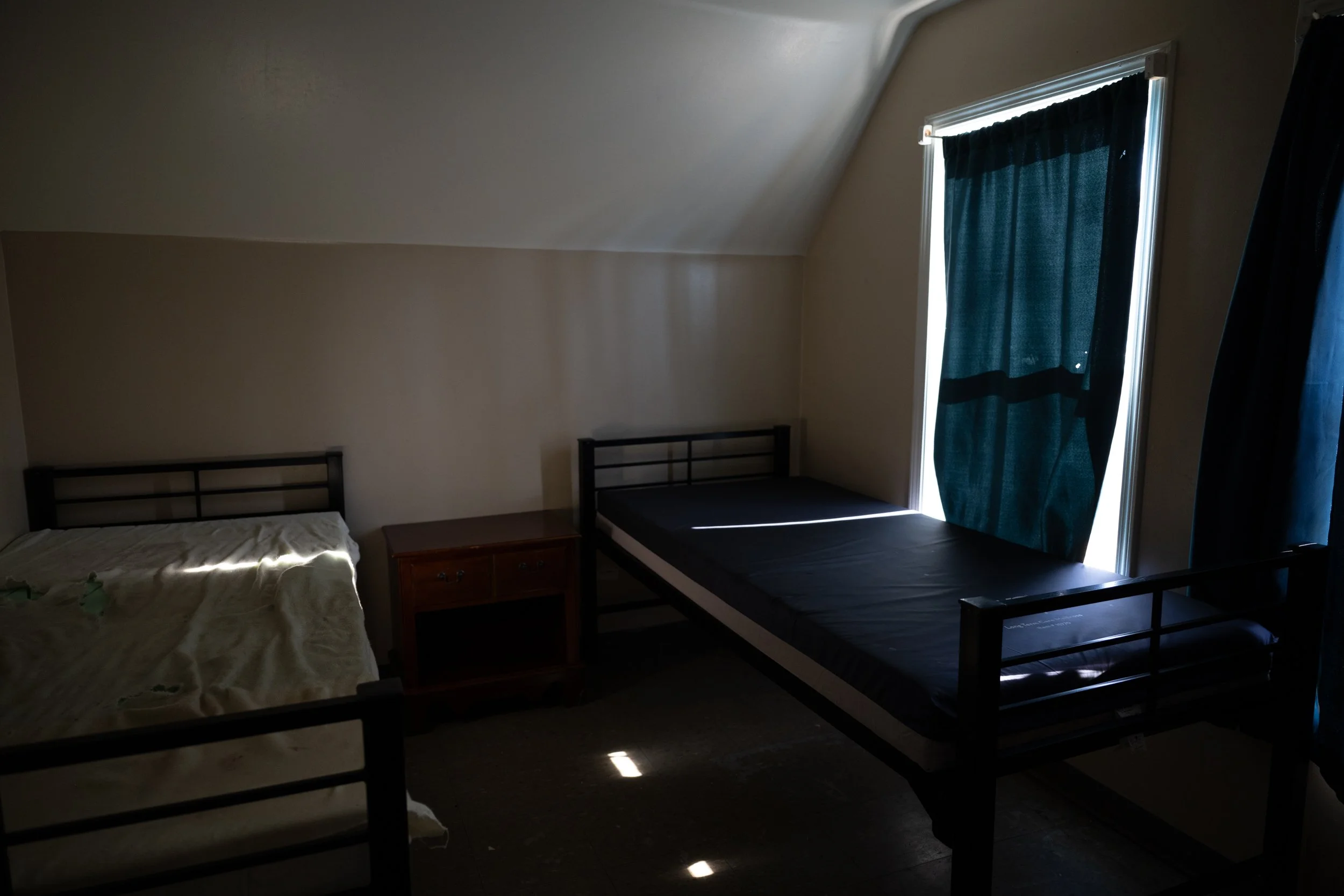
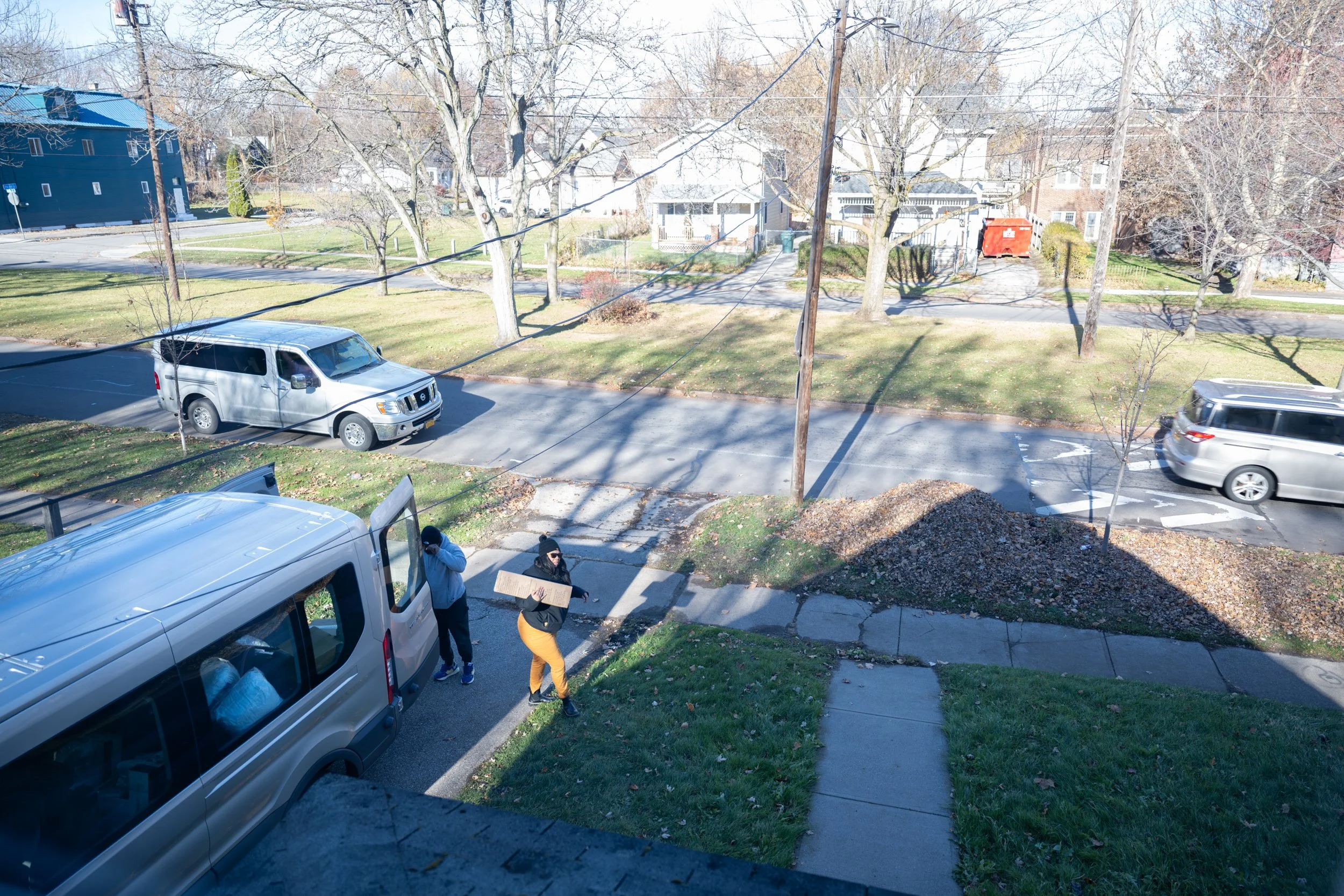
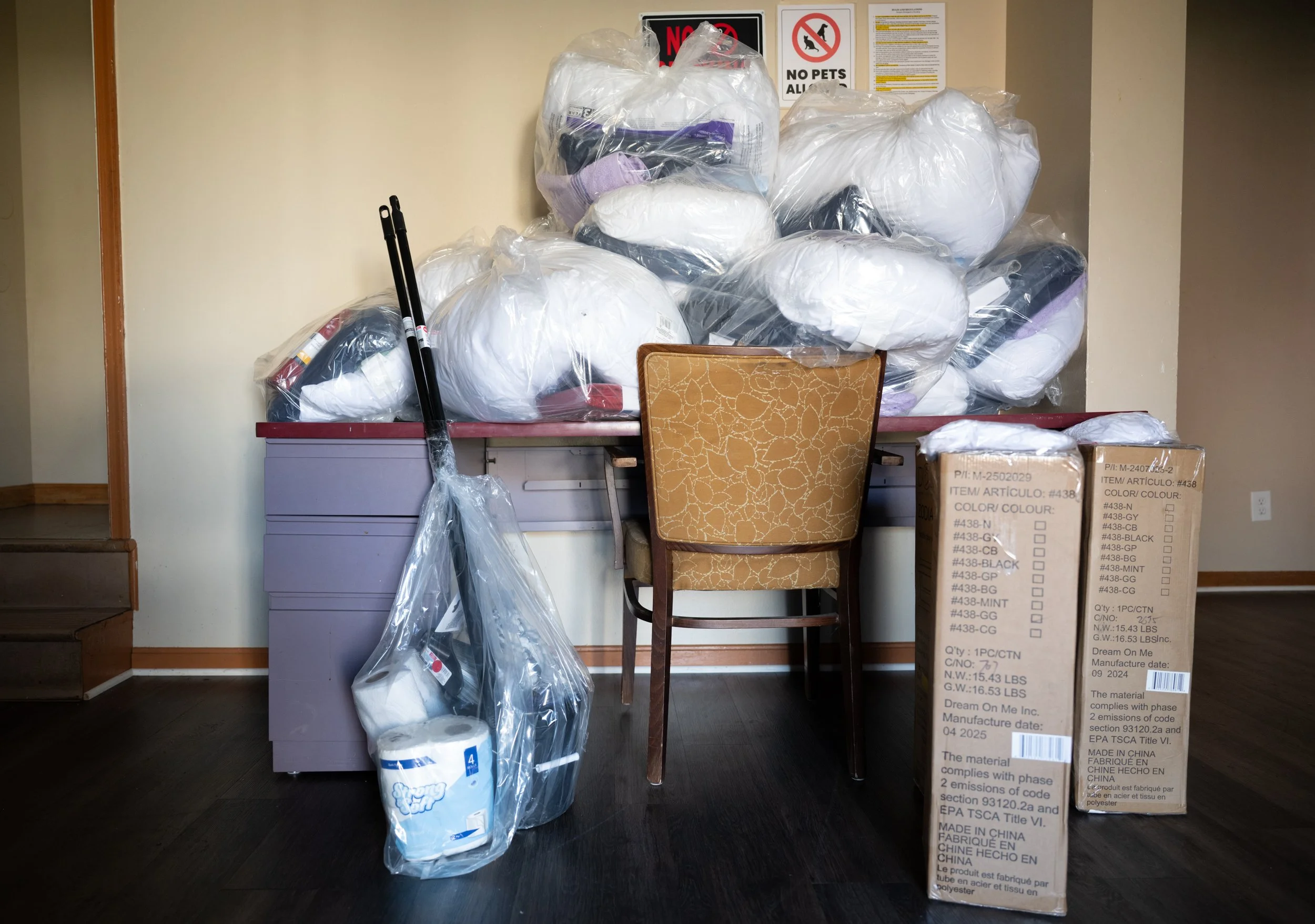
(Top) Brandi Redd, left, a family services housing advocate for the Tempro housing program at PCHO, and Andre Clark, right, help to drop off bedding, groceries, and hygiene supplies for a family of 10 moving into one of PCHO Tempro houses on Nov. 24, 2025. (Bottom left) An interior of the room of one to the Tempro houses. (Bottom middle) Andre Clark and Brandi Redd help to bring in supplies to the Tempro house. (Bottom right) New bedding and cleaning items sit in the entryway of the Tempro house.
Rosa has worked for PCHO for three years as a street outreach specialist. As an outreach specialist, he travels the streets of Rochester to assist unhoused people with obtaining basic resources—such as food, blankets, clothing, and toiletries—as well as helping people find housing if they want it. However, what Rosa and the street outreach team does is only a fraction of the services that PCHO offers.
PCHO utilizes the housing first model which is inspired by the Maslow’s Hierarchy of Needs.
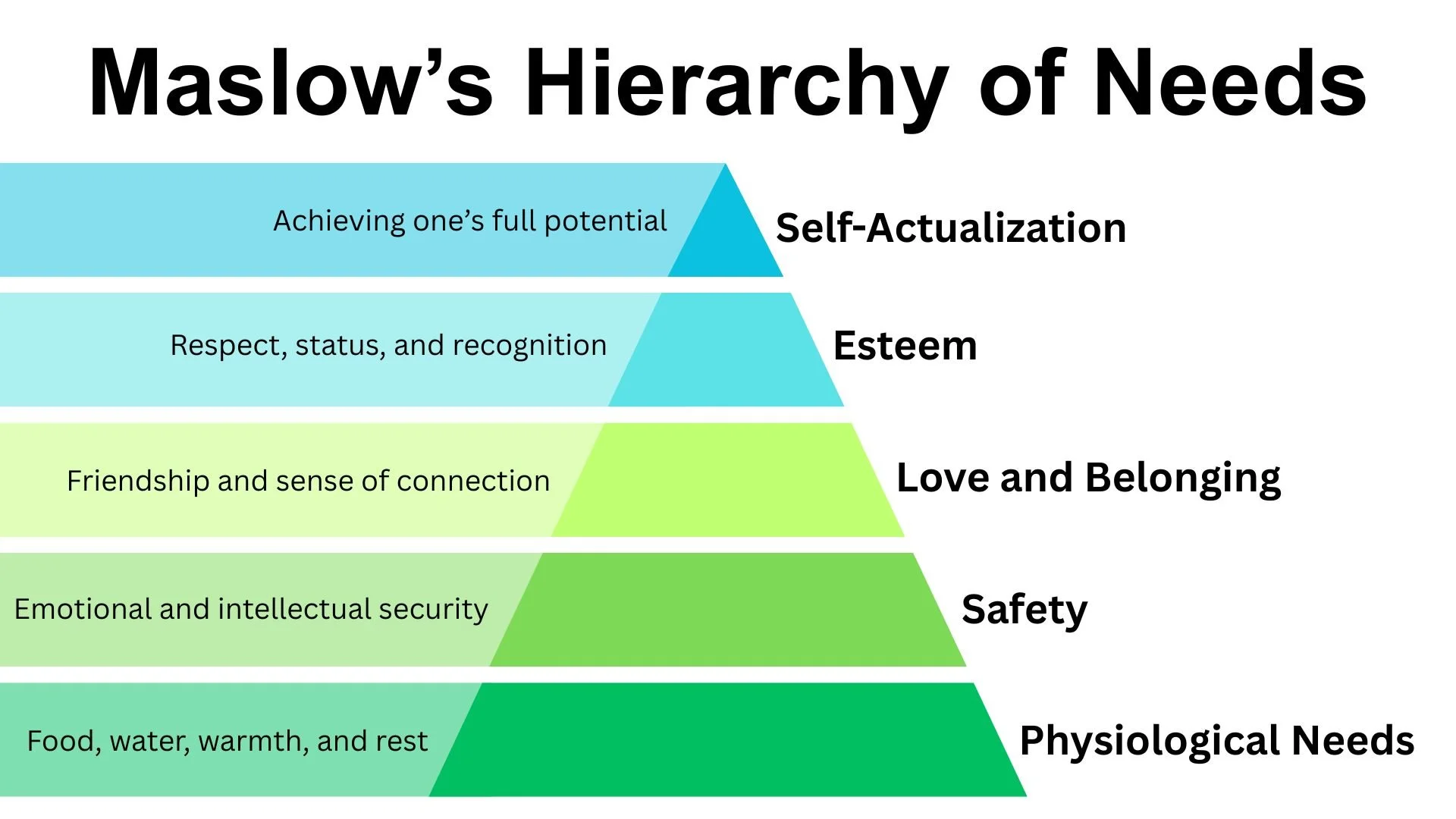
“...Basically that foundation of that pyramid is food, water, shelter, you know, basic stuff in order to live and in order to self actualize,” states Chuck Albanese, the CEO of PCHO. “You need that basic, basic foundation.”
The Housing First model emphasizes the importance of access to safe and permanent places to live before finding stabilization in their lives, finding and maintaining jobs, treating harmful behaviors, and improving their health. According to the PCHO website, they “meet people where they are—in tents, on the streets, or under bridges—to offer housing, compassionate support, and the dignity of choice.”
However, due to an increase in homelessness as well as policy changes and budget cuts to HUD from the Trump administration, many local organizations are struggling to provide the same level of services that they used to even a few years ago.
“I don’t know what we're going to do,” says Albanese. “Soon we’re going to start having to cut people.” Tatiana Coulter, a PCHO housing stability coordinator, recalls that before the COVID-19 pandemic, “we could not only get people housing, but we could fully furnish it and do way more to help out with other bills.” However, now PCHO is even limited in crucial areas such as the rent coverage they can provide, and must fund an interior furnishing program of theirs through mainly donations.
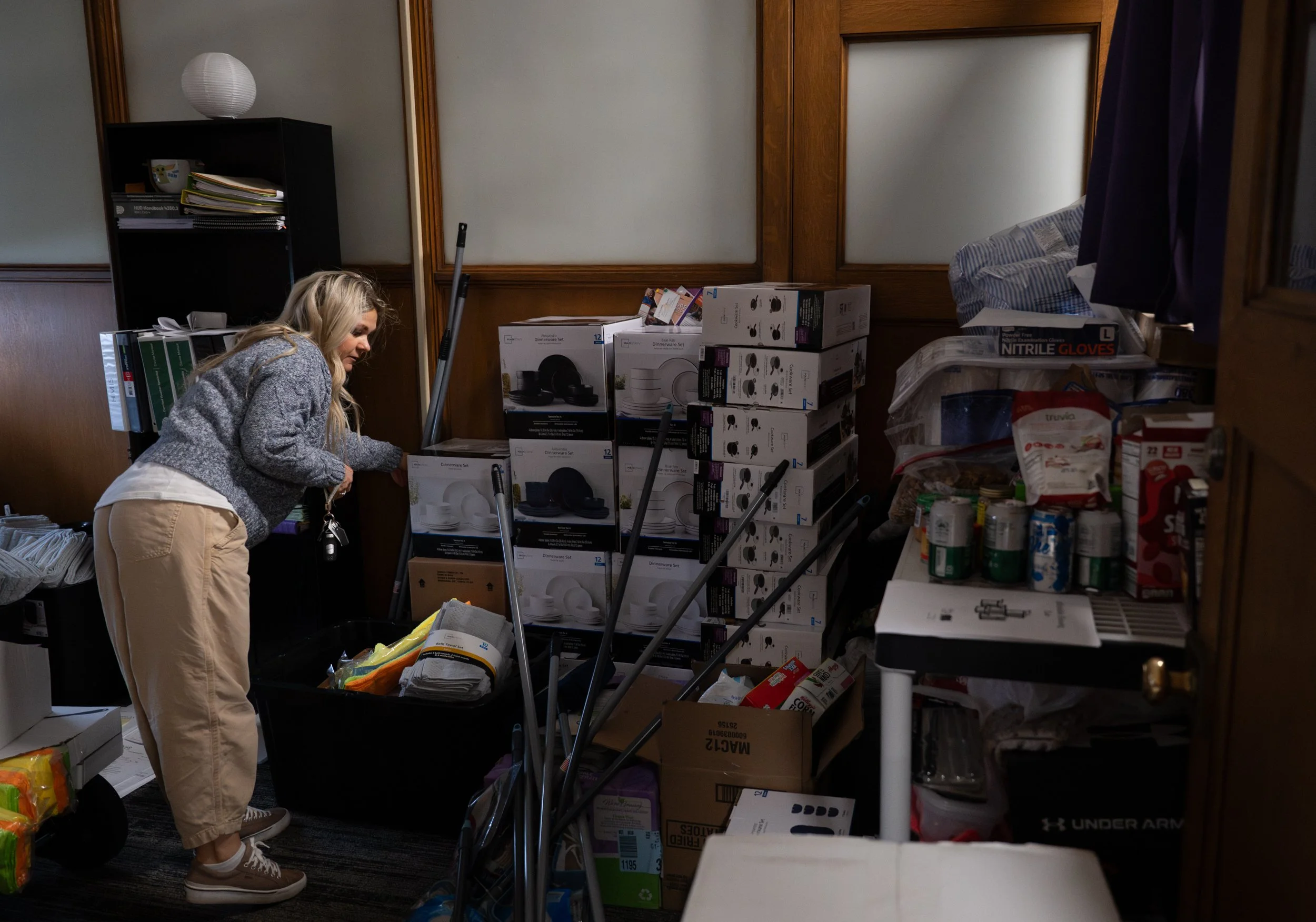

(Left) Tatiana Coulter helps to put some brooms away in an office at PCHO on March 10, 2026. Coulter and three other PCHO workers had just returned from purchasing a mass amount of kitchen, pantry, and cleaning supplies to give to clients. (Right) Tatiana Coulter does paperwork at her desk at PCHO on March 10, 2026.
Rosa recalls that, when he first began working at PCHO three years ago, there were six members on the outreach team and the average caseload was about 20-25 people for outreach specialists, but now, there are four members, most caseloads are in the 30’s and 40’s, and they’re constantly getting new clients.
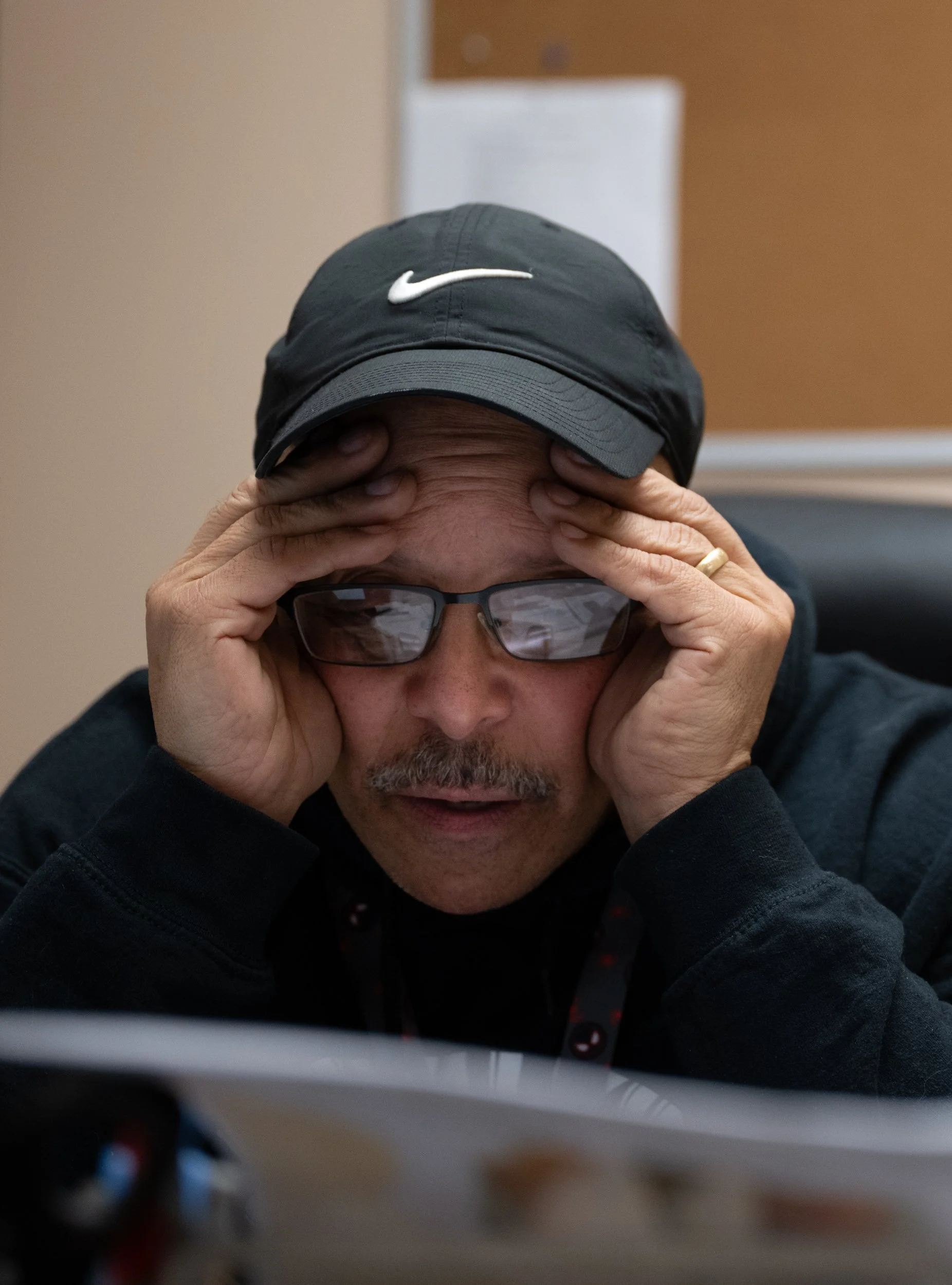
Stephen Rosa gestures while listening to a prospective clients story and circumstances at PCHO on March 12, 2026.
Many of the reasons that people are unhoused are because of roadblocks that they run into when trying to obtain housing. To get on the county list to be matched for housing programs, each person needs to provide a state ID, social security card, and birth certificate—all items that have usually been lost or stolen from them and cost both money and time to obtain. Once people are on the list, it can take days, weeks, or in most cases, months to be matched, and depending on which program they’re in, they also have to find their own housing that is within the Fair Market Rate which is around $1,200 in Monroe County. Many clients have stated that the apartment search and application processes can be more difficult than trying to get on the list. “If you ain’t got an income, if you’re income ain't right, and you on Medicaid, they treat you like shit,” stated Dwayne, a local unhoused man in Rochester discussing his experience with the housing application process.
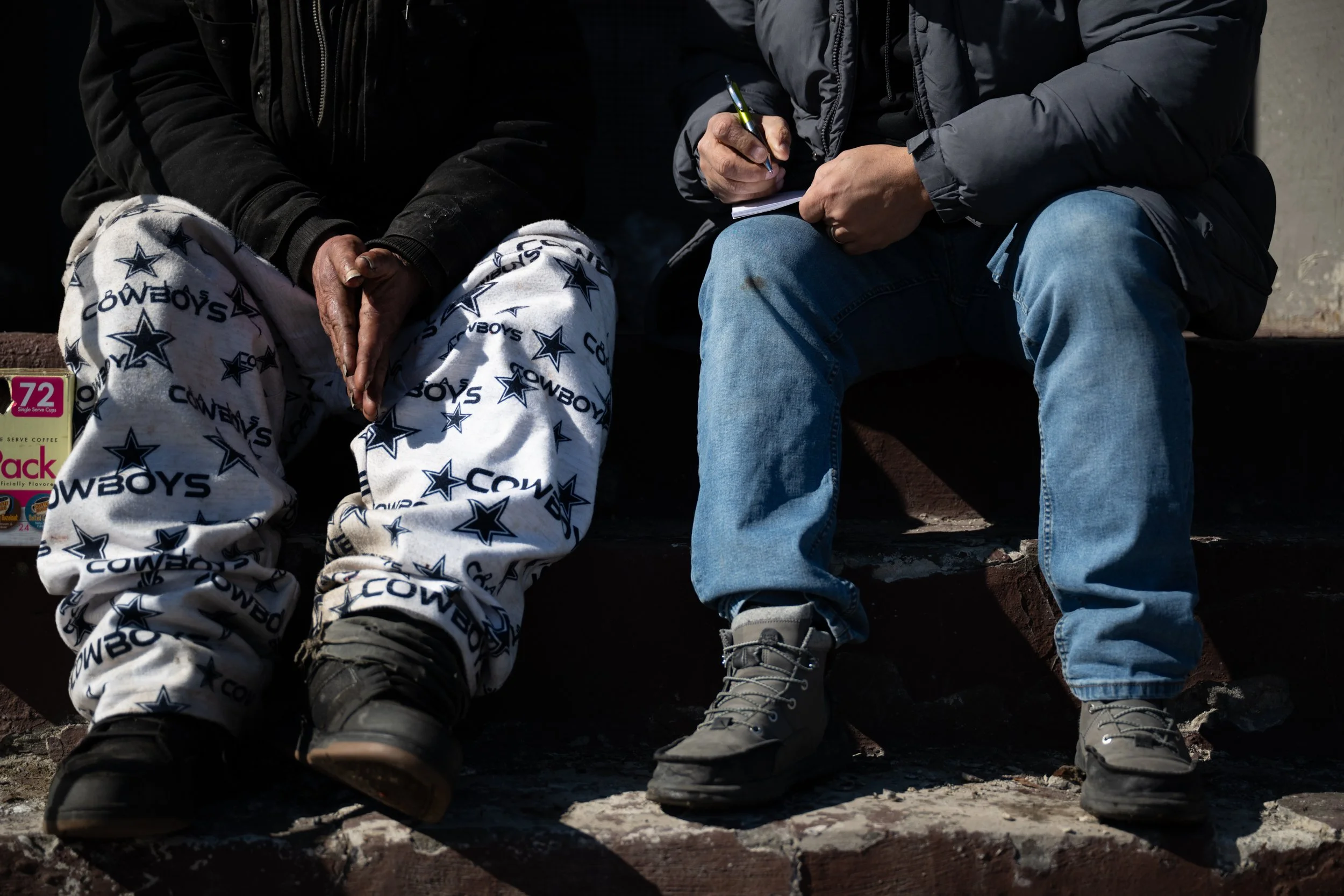
Stephen Rosa talks with Domenic Curtis, an unhoused man, during PCHO street outreach on March 2, 2026. Curtis was brought on as a prospective client of Rosa’s and is in search for housing.
Once housed, most housing options have rules and restrictions to keep the housing. There are often curfews and restrictions on guests. Many social workers describe that most clients have difficulty transitioning from the freedom of being on the streets and doing their own thing to having to abide by the new rules. However, the rules are in place to make sure that not only do the houses not become dilapidated new hangout spots for unhoused people, but also that those in active addiction don’t have their friends who use substances to encourage them to use and that each person learns to live independently.
Often, the difficulties with trying to obtain housing and the rules that come with housing prevent unhoused people from wanting to get off the streets. “They’re used to living a certain way and it’s hard to lose that freedom,” sadly declares Rosa. Along with the restrictions, many unhoused people have experienced heartbreak from the system and don’t want to go through the trauma of losing their house again. “They would cycle through the systems, or they would just stop trying to access the systems, because there's so many roadblocks,” declared Albanese.
Another difficulty that social workers face when trying to help their clients is that they often lose track of or can’t find them. Many unhoused people stick to a certain area or street, but when disputes with other unhoused people or tent sweeps from the city displace them, case workers can’t find them anymore. The Rochester Police Department Homeless Outreach Team goes out into the community with local organizations to do outreach work, but that work often ends up with tent sweeps and unhoused people losing trust in the other organizations’ workers.
But despite the challenges of social work, Rosa has not given up hope and he continues to fight and work for his community.
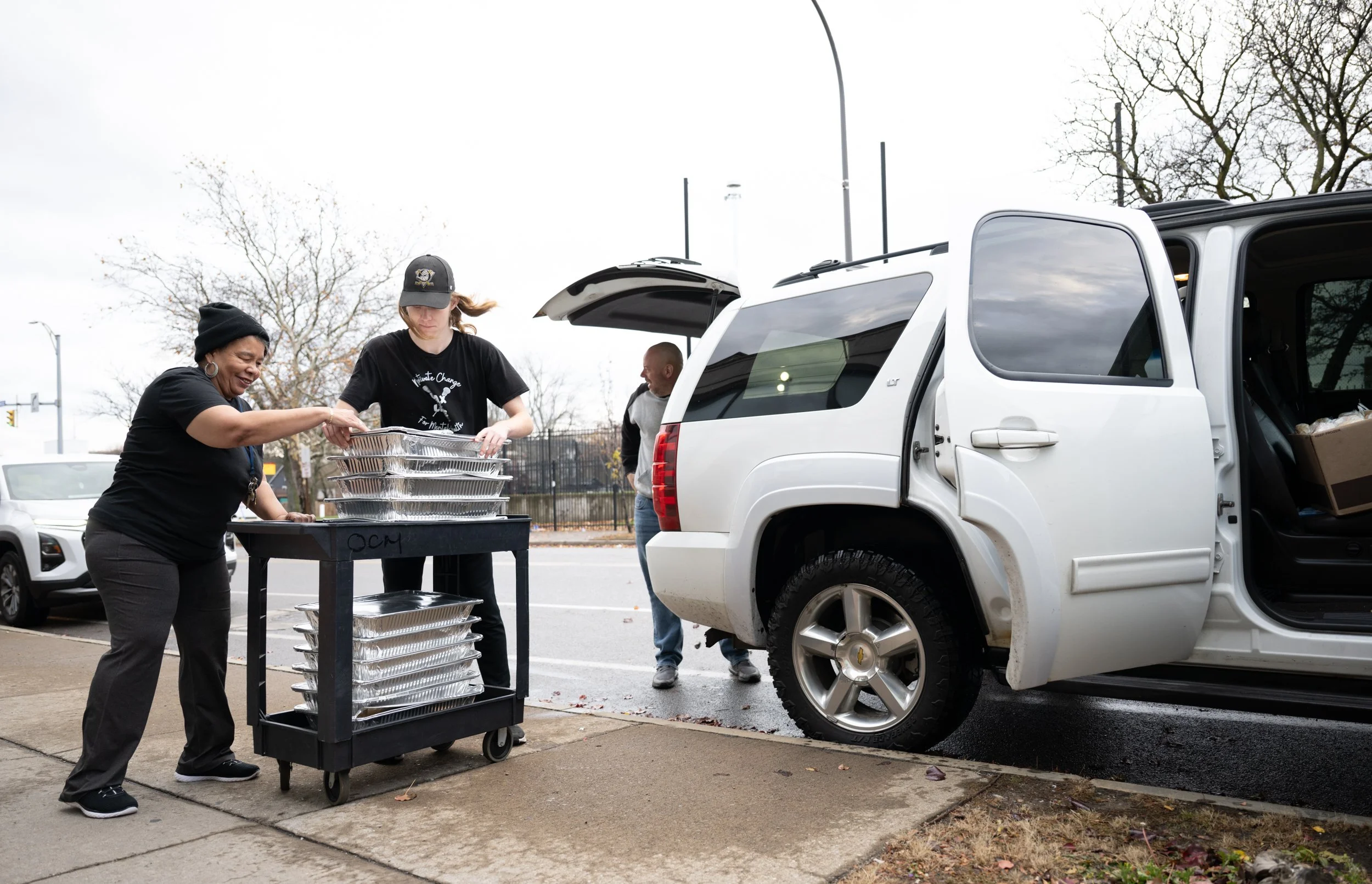
Jane Blackwell (left), Jonah Williams (middle), and Matt Reis (right), unload food to begin preparing the annual Health Reach Thanksgiving Dinner at the RRH Health Reach clinic on Nov. 26, 2025. All of the food is donated by Reis, the co-owner of BTB bar and grill. Reis states that this is BTB’s second year donating to the dinner but him and his co-owner Connie MacLeod have been donating food to health care workers for roughly 25 years.
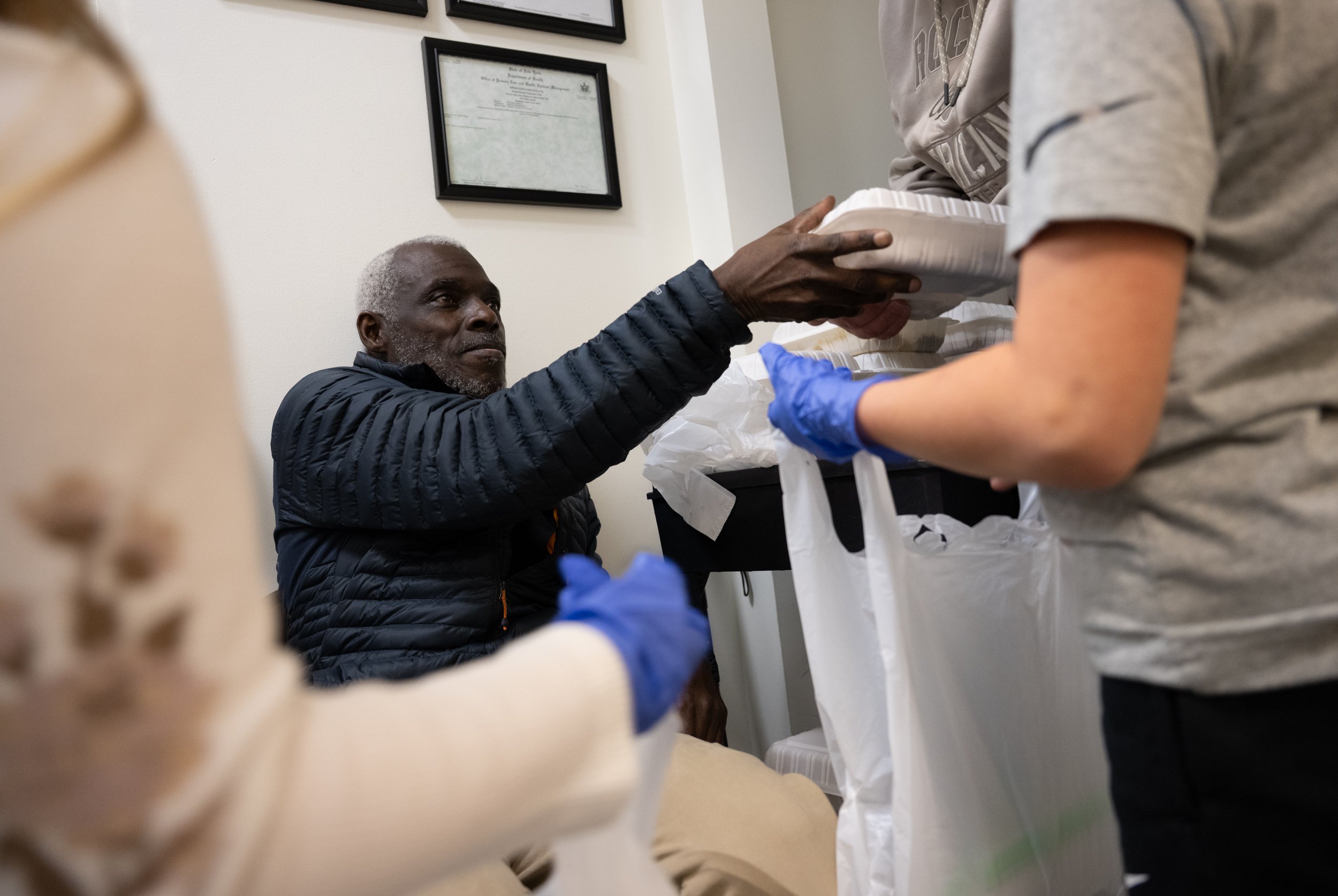
Jay Mason helps to bag prepared meals to other volunteers to give to the unhoused at the annual Health Reach Thanksgiving Dinner at the Rochester Regional Health (RRH) Reach clinic on Nov. 26, 2025. Mason, whom is partially paralyzed, is a part of the committee that helps to organize this event and stated that “it’s important for me to give back to the community after they’ve been so gracious to me even with partial paralyzation.”

Donated toys sit in the PCHO offices on Dec. 1, 2025. The toys will later be donated to their clients with families and children in transitional housing programs.
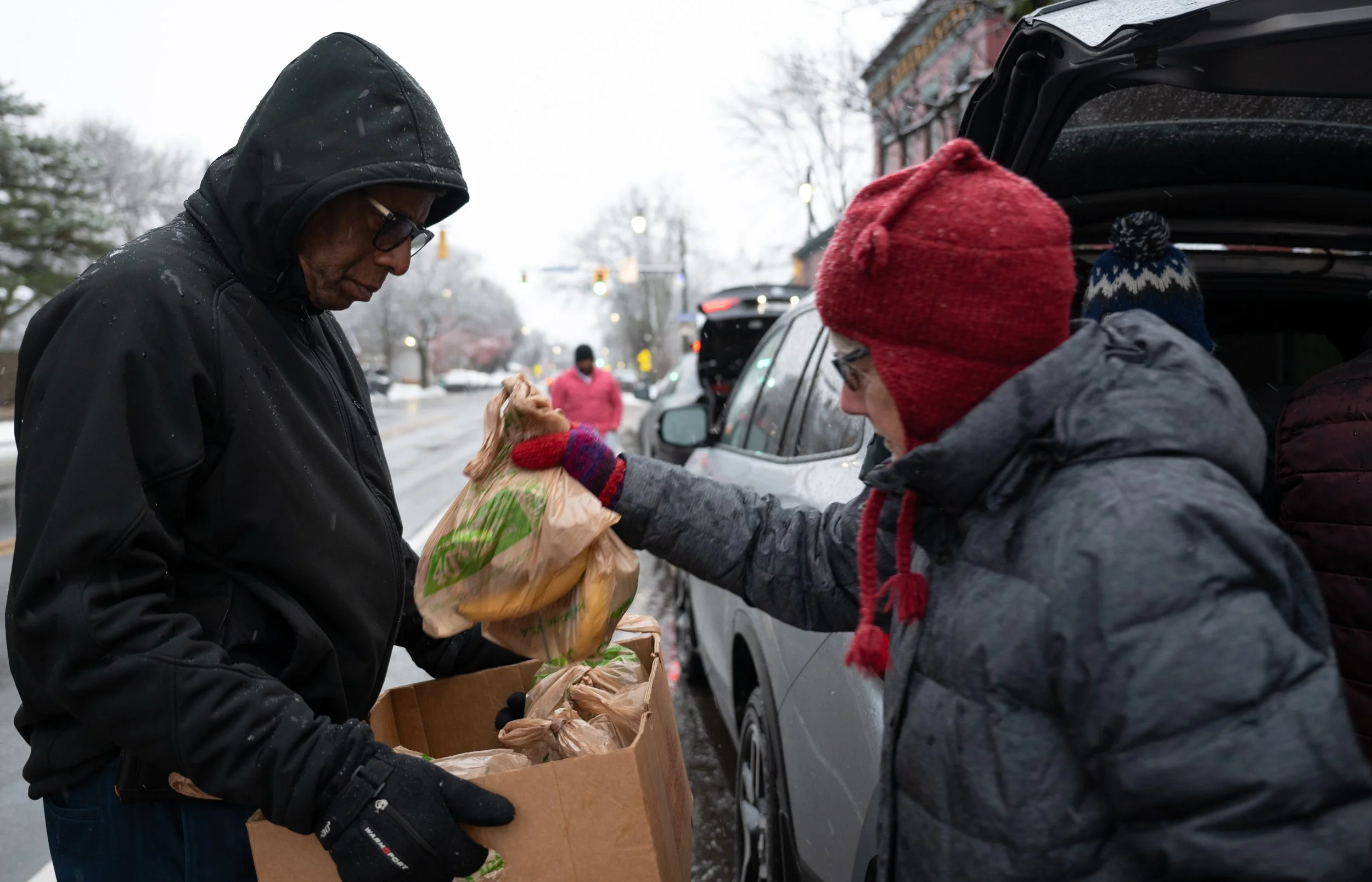
Calvin Barnes from PCHO, left, helps to carry prepared bags of food from a volunteer from the Blessed Sacrament Church, right, while doing street outreach on Dec. 23, 2025.
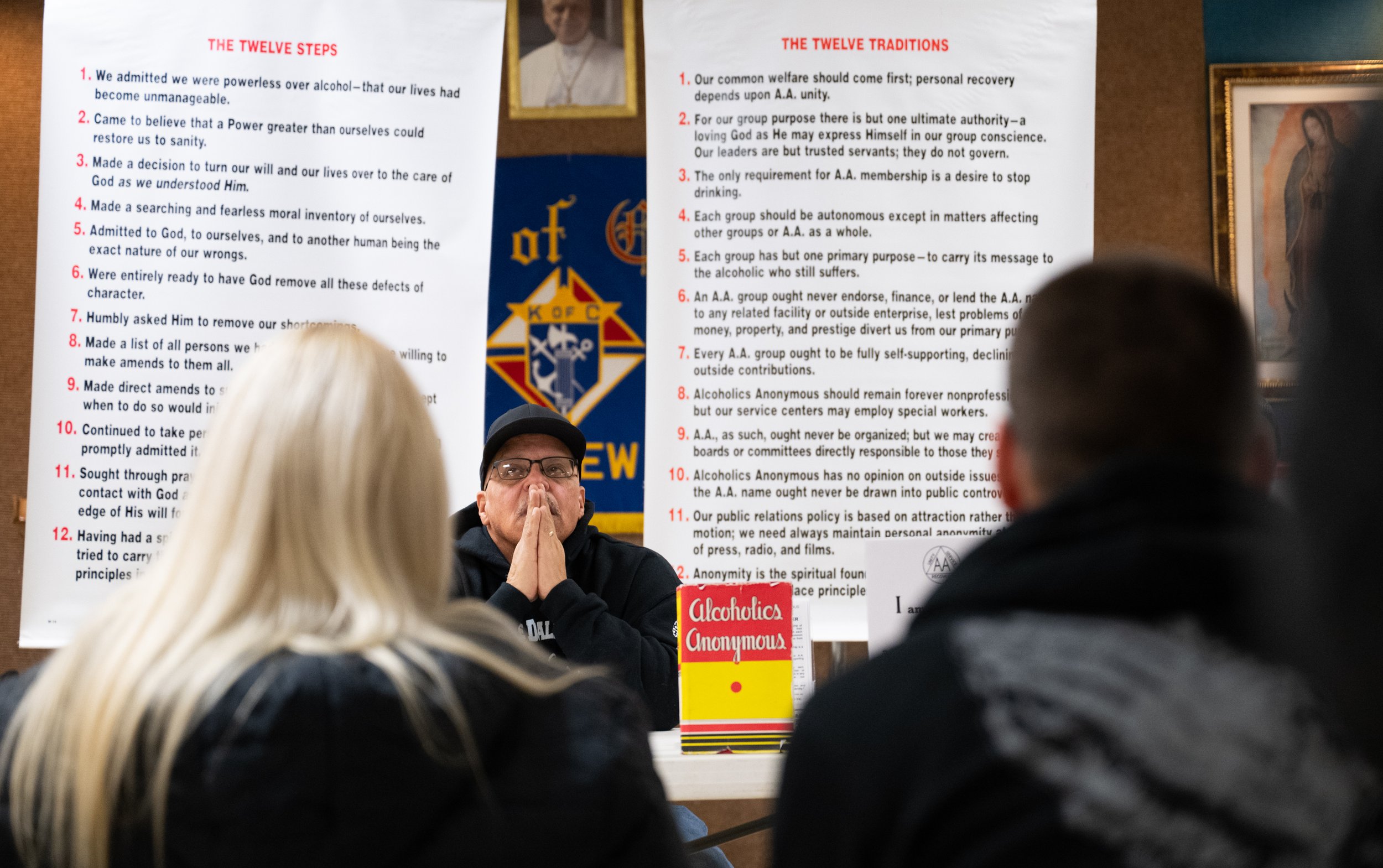
Stephen Rosa tells his story of addiction and sobriety at an Alcoholics Anonymous meeting on March 17, 2026.
“Any day that I’m sober is a good day, everyday that I’m out of prison is a great day.”

The container for sobriety chips at an AA meeting on March 17, 2026. Chips are given on important sobriety dates/times to group members or those who attend a meeting.
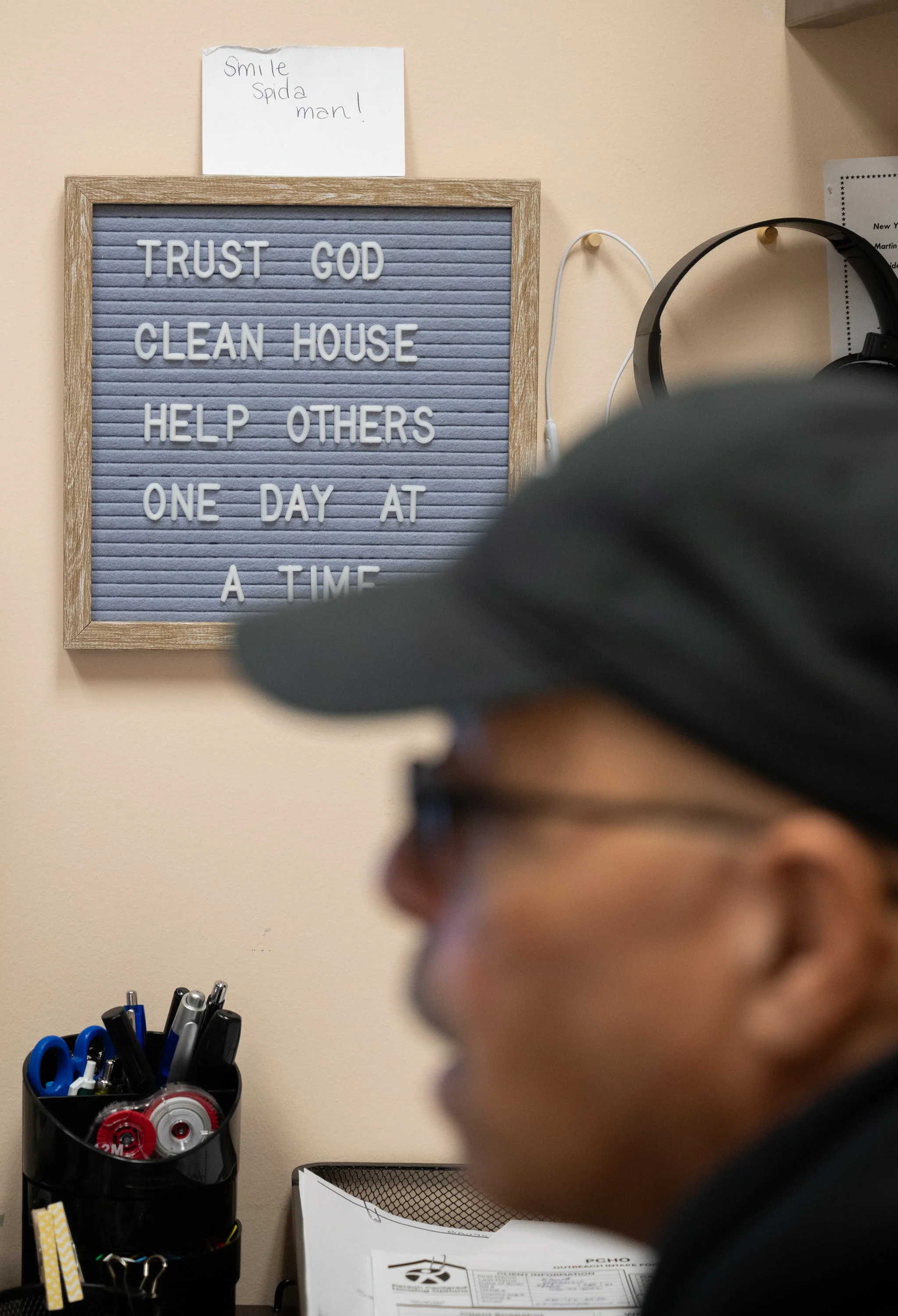
Stephen Rosa writes an email at his desk at PCHO on March 10, 2026.
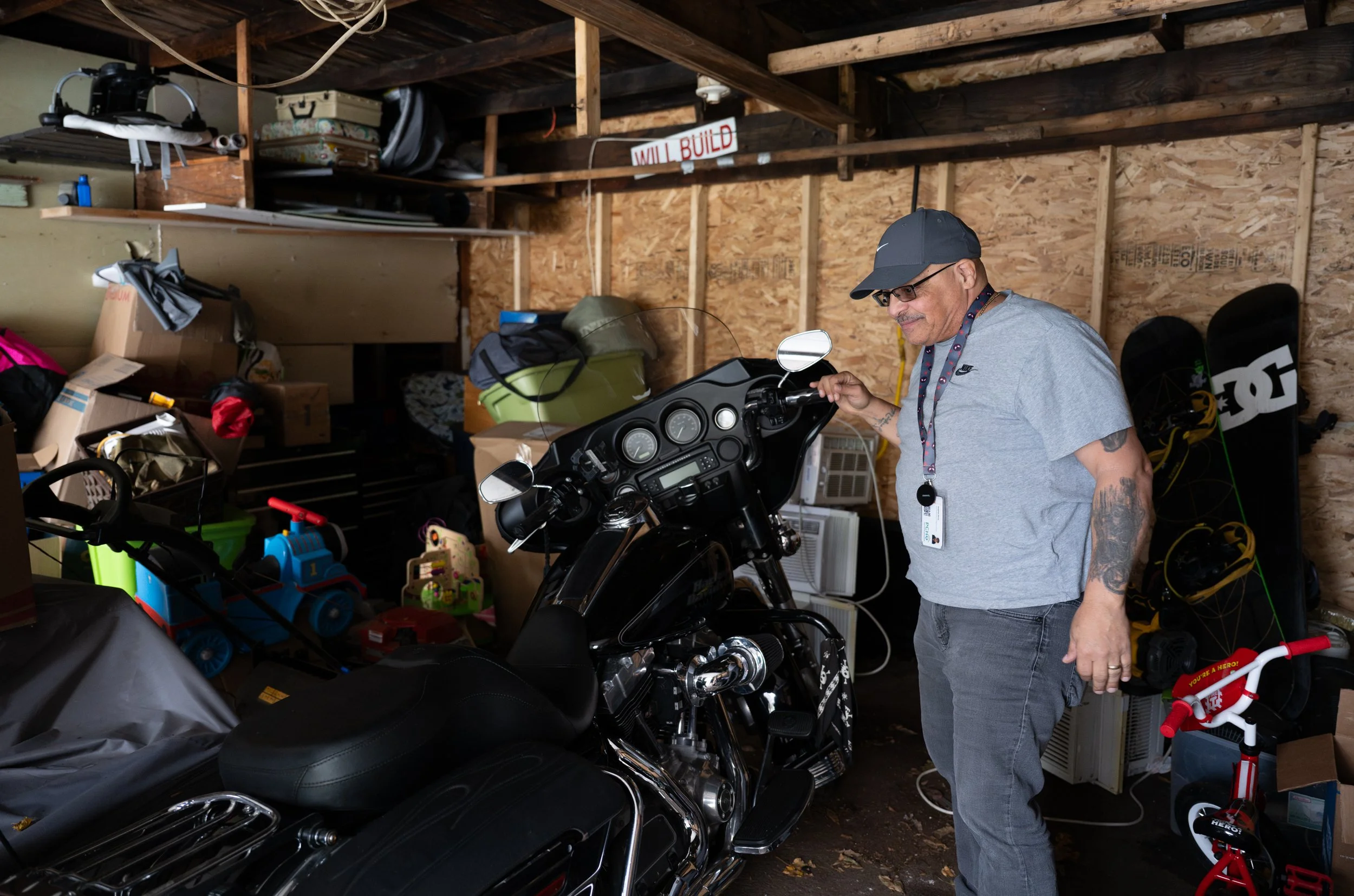
Stephen Rosa checks in on his motorcycle that's stored in his friends garage on April 17, 2026.

A keychain hangs in Stephen Rosa's car on March 9, 2026. The keychain was given to Rosa by one of his kids.
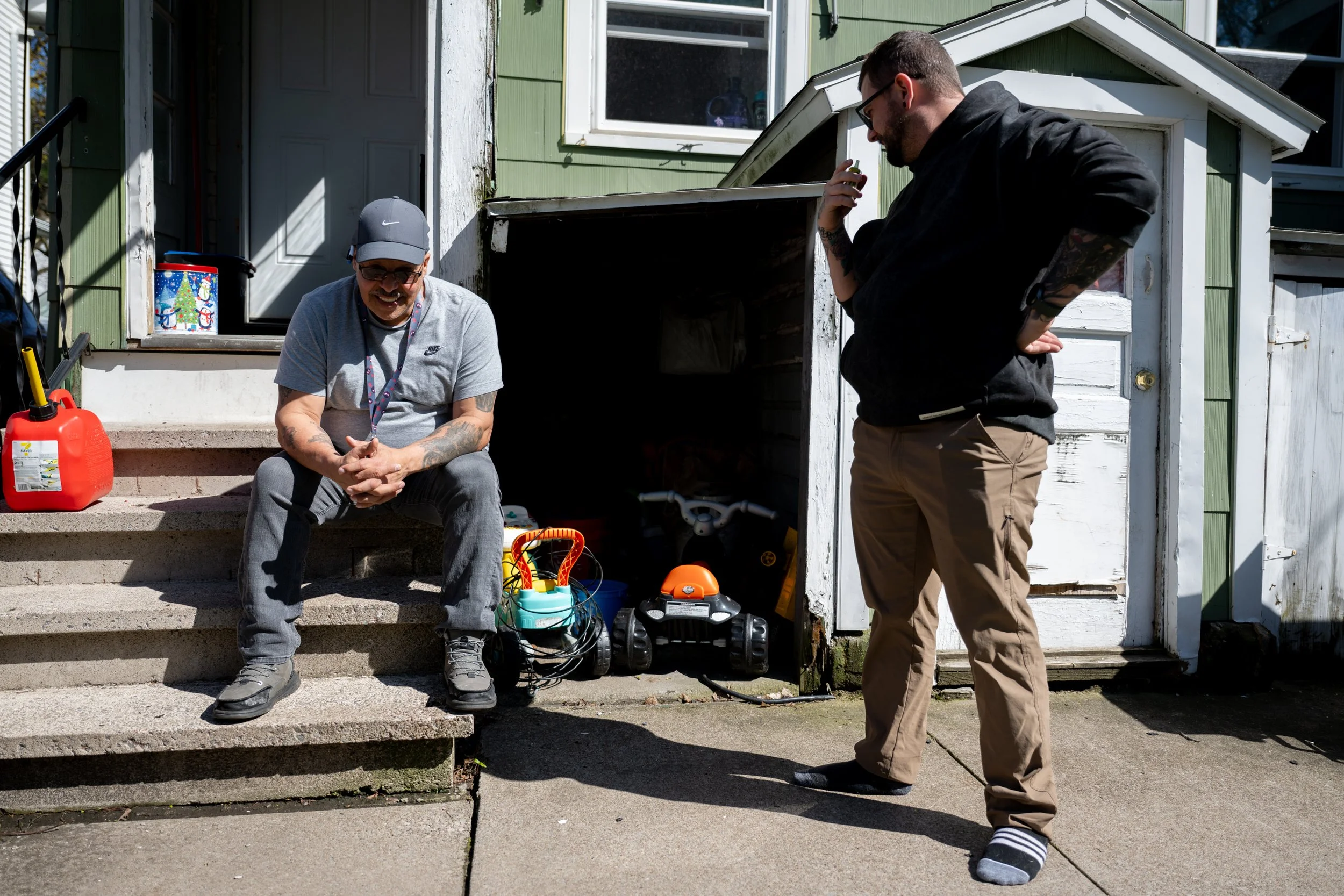
Stephen Rosa talks with his friend, Robert Pesa outside Pesa's home on April 17, 2026.
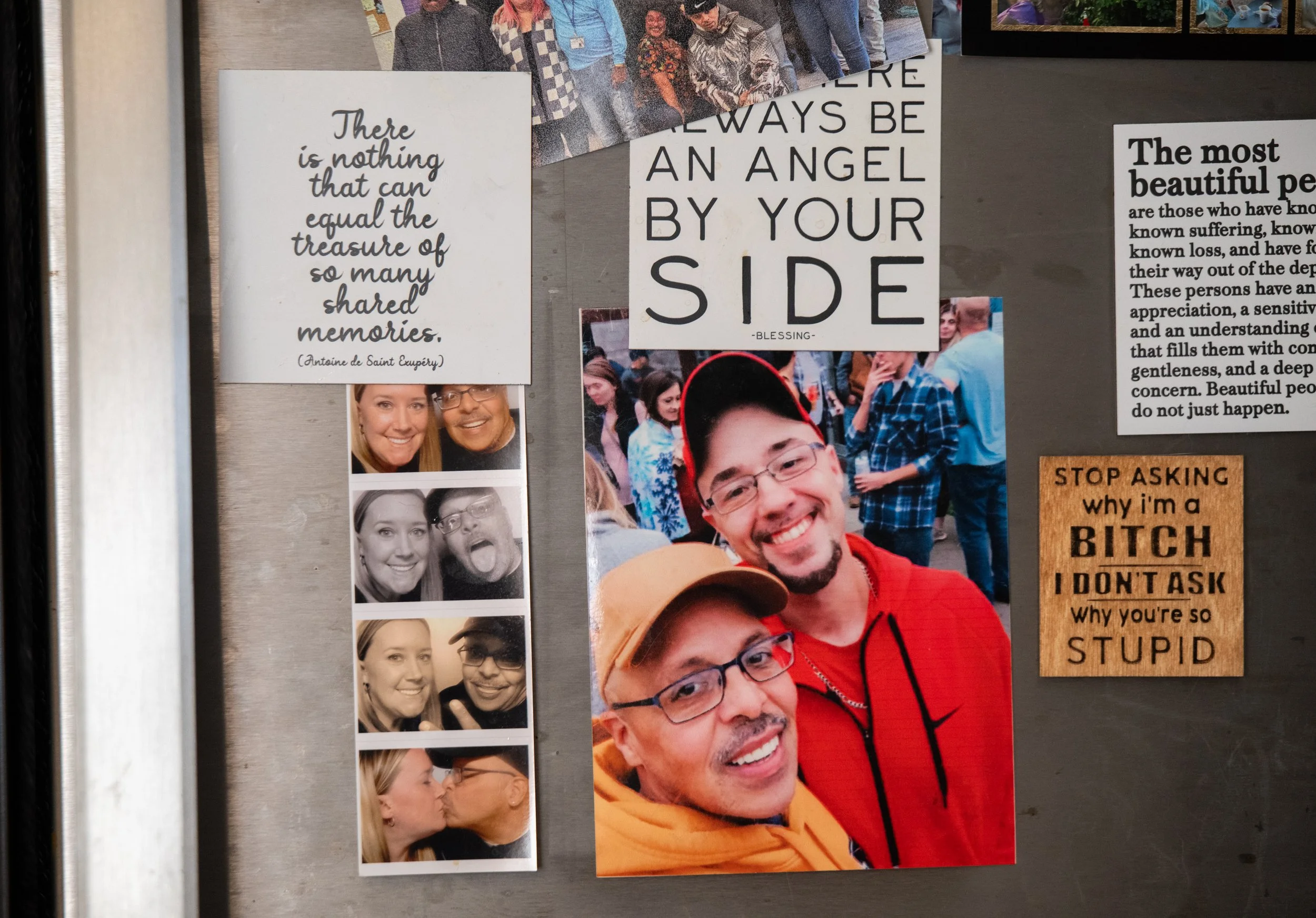
Pictures and magnets hang on the fridge of Stephen Rosa on April 17, 2026. The picture on the left is Rosa with his wife, Heather Rosa, and the picture on the right is with his friend Dave Stone who has passed away.
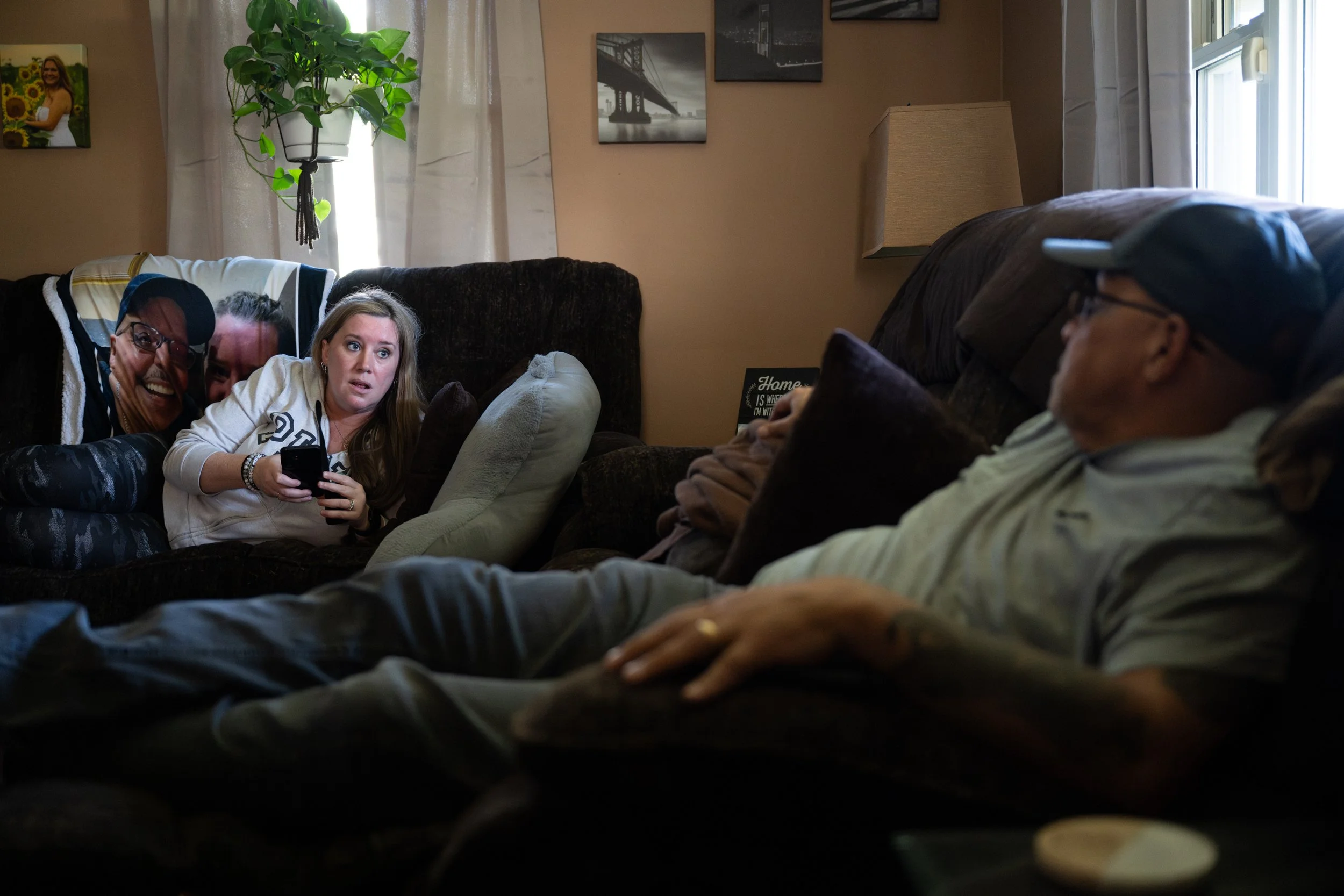
Stephen Rosa talks with his wife, Heather Rosa, in their home on April 17, 2026.

Stephen Rosa pets his cat, Chance, at his home on April 17, 2026.
The outreach work that Rosa does is not simply a paycheck to him, but it fulfills his soul and gives him a purpose in a way that nothing else ever has before. He answers every call, from clients to AA sponsees, any time of day or night. He believes that the unhoused should be met where they’re at, and all treated with compassion, care, and respect.
“Homelessness is often misunderstood. It is easy to reduce people to labels or statistics. But homelessness is not a personal failure, it is a systemic one. It is the result of rising housing costs, stagnant wages, gaps in healthcare, untreated mental illness, addiction, domestic violence, racism, and policies that leave too many people behind,” states Rosa.
“What kind of community do we want to be? Who do we choose to protect? And what are we willing to do to ensure that no one is left out in the cold?”
“Ending homelessness is possible. We know what works: affordable housing, living wages, accessible healthcare, mental health and substance use services, and compassion-driven policy. What it requires is the collective will to act. Each of us has a role to play—whether through advocacy, volunteering, voting, donating, or simply treating every person we encounter with love, dignity, and respect.”
“Let us refuse to look away. Let us refuse to believe that this is the best we can do.”
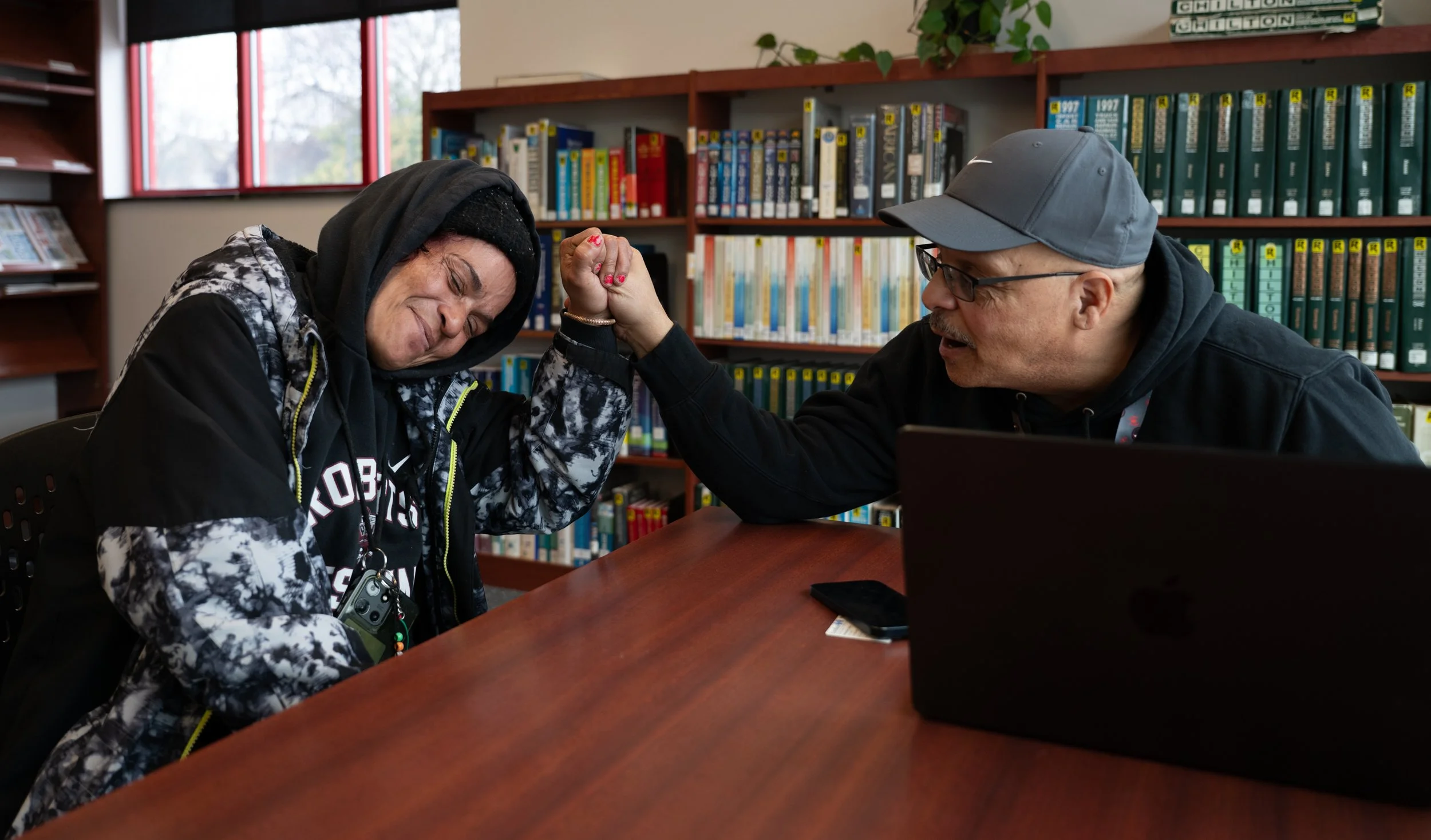
Cielo Hernandez reacts as Stephen Rosa tells her that she’s officially on the list to be matched into a housing program while at the Lincoln Library on March 23, 2026.